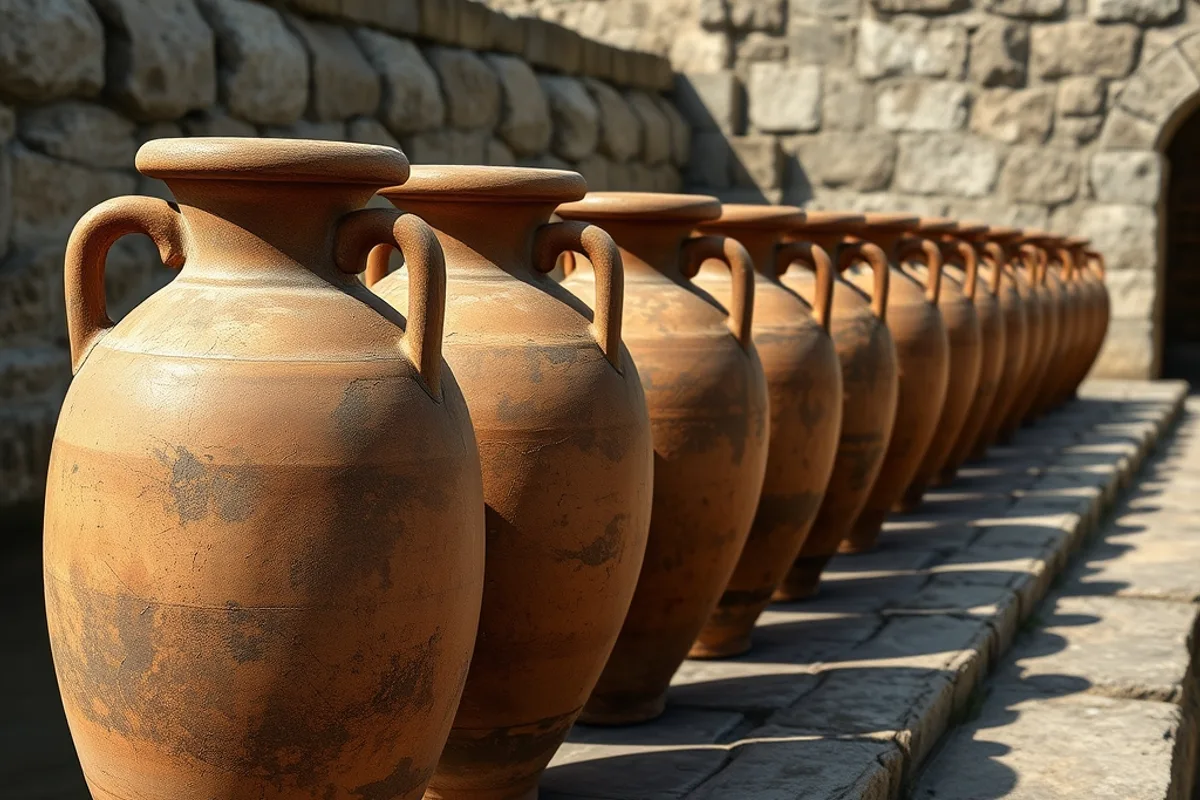
The amphora is not a beautiful object. It is a rough clay jar, taller than a child, with a pointed base and two sturdy handles. For centuries, these jars were the shipping containers of the ancient Mediterranean: used to move wine, oil, fish sauce and grain from one port to another, then discarded when they cracked or when the contents were sold.
That is why a sunken harbour is such a rich archaeological site. A palace tells you how the wealthy wanted to be seen. A harbour tells you what everyone was actually doing.
A city under the water
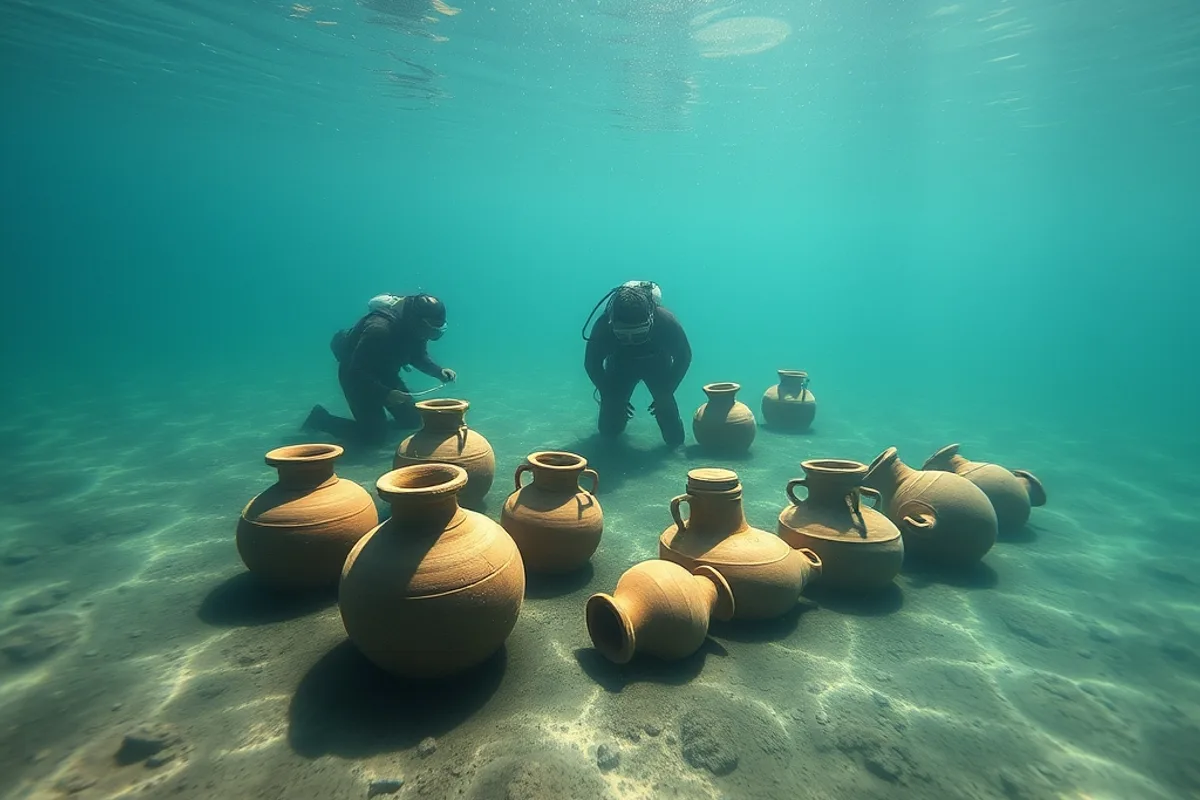
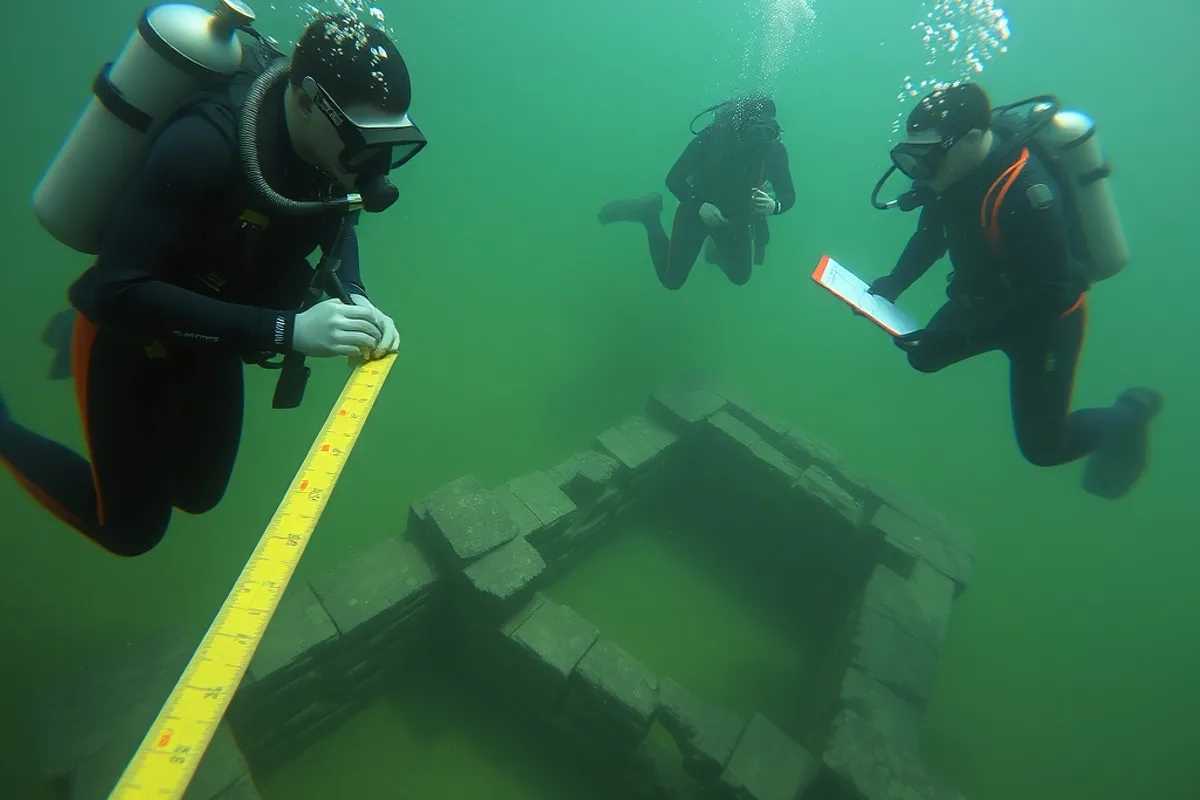
The site lies in a shallow bay where the shoreline has shifted over two millennia. Sediment has preserved wooden posts, stone quays and the remains of warehouses, while the harbour floor is scattered with the things that fell, sank or were thrown away. Because the water is oxygen-poor in places, organic material survives: rope, netting, seeds, and the occasional piece of leather.
Excavations have revealed a working port rather than a ceremonial one. There are mooring points for different sizes of vessel, a slipway for repairs, and a set of small rooms that appear to have been shops or offices. The layout is practical and slightly chaotic, the way real ports are.
Most of the finds are ordinary. That is the point. A broken lamp is not a treasure, but a hundred broken lamps in the same place tells you something about how much light a warehouse needed, and how often it was replaced.
What the cargo says
The amphorae are the most informative objects. Their shapes and stamps identify where they were made and what they carried, and their distribution across the site shows which goods arrived from which direction. A cluster of jars from one region suggests a regular shipment; a single jar from far away may have belonged to a sailor's personal supply.
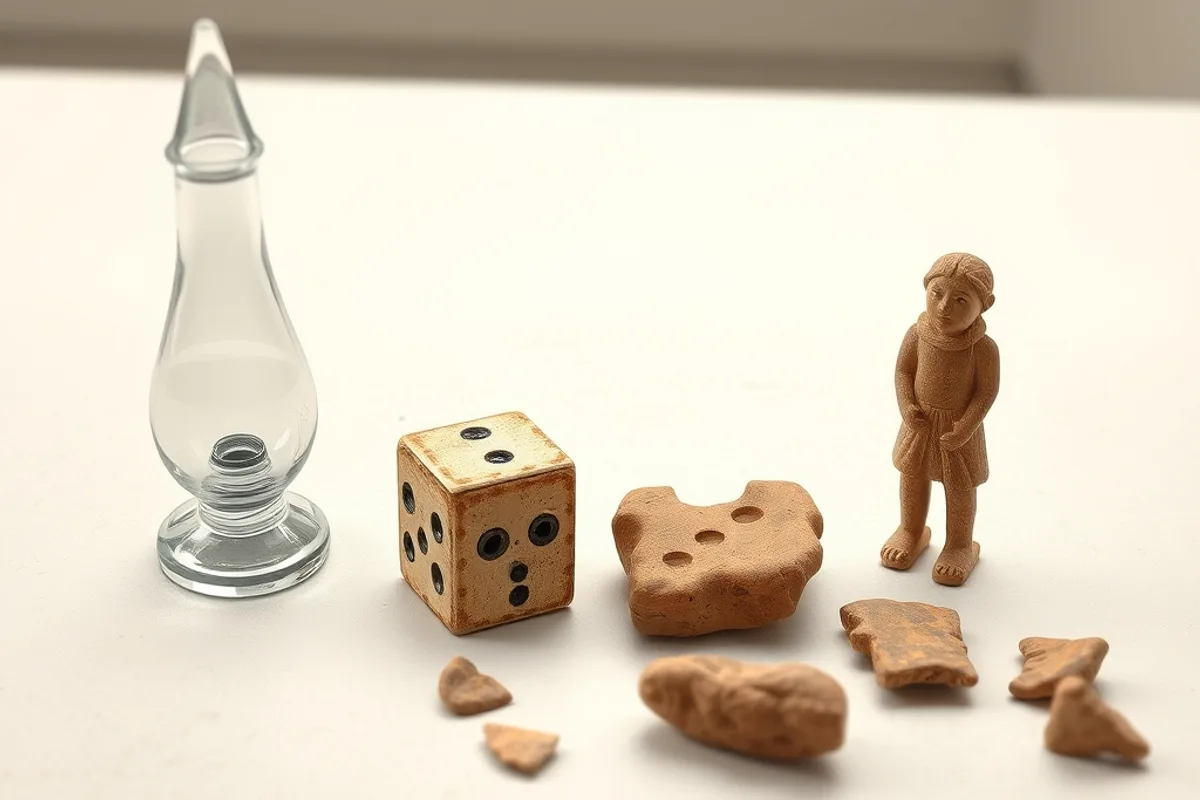
There are also objects that do not fit the commercial picture. A child's toy. A set of dice. A small carved figure, worn smooth by handling. These are the finds that make a site feel inhabited rather than analysed. Someone lived here, or spent long enough here to want a familiar object.
Food remains are equally revealing. Fish bones, olive pits, grape seeds and the shells of shellfish show what people ate, and in what proportions. The harbour diet appears to have been varied, seasonal and heavily dependent on what was cheap that week.
The economy beneath the surface
Perhaps the most important insight is about scale. Long-distance trade in the ancient Mediterranean was not only a matter of luxury goods for elites. It moved bulk commodities — oil, wine, grain — in enormous quantities, using standardised containers and established routes. The harbour was a node in a system that was already global in its own terms.
That system depended on trust. Merchants needed to know that a jar labelled with a particular mark really contained what it claimed. They needed contracts, insurance and courts. The harbour's records, where they survive, are full of disputes about damaged cargo and unpaid fees.
In other words, the ancient economy was not a simpler version of ours. It was a different arrangement of the same problems: distance, risk, information and trust.
Why harbours get forgotten
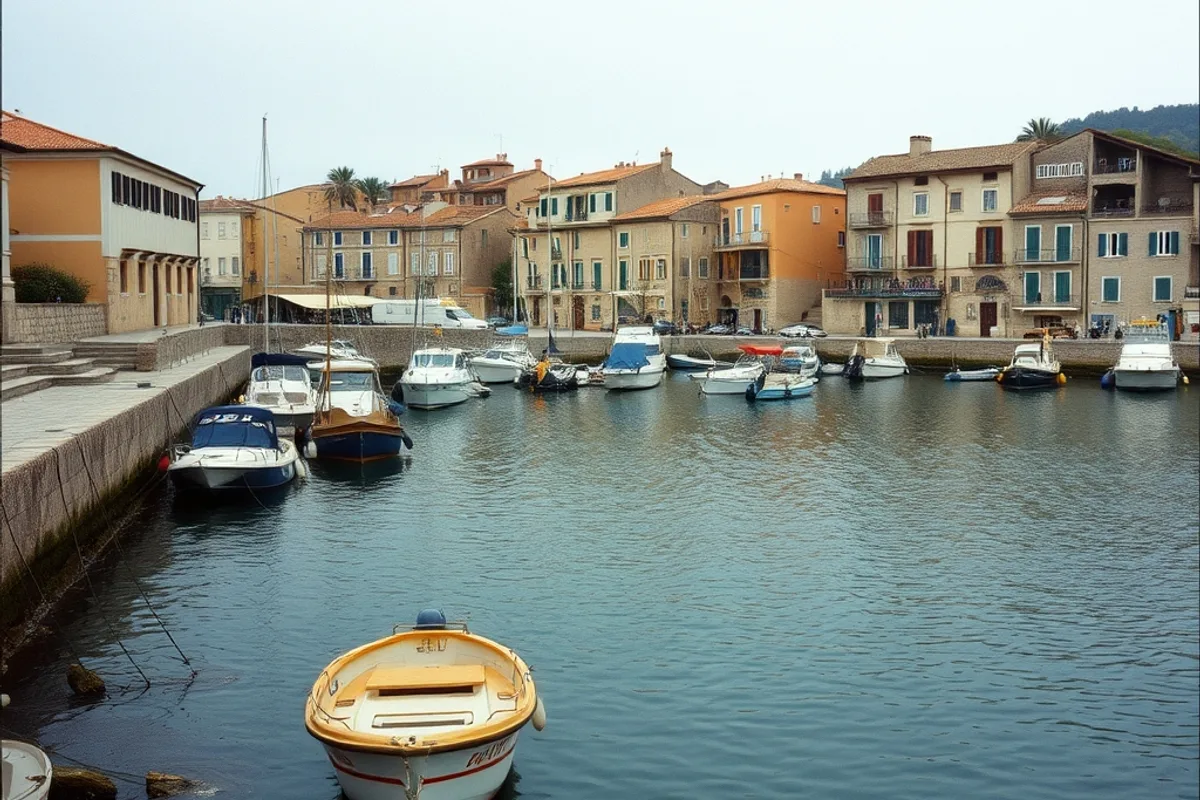
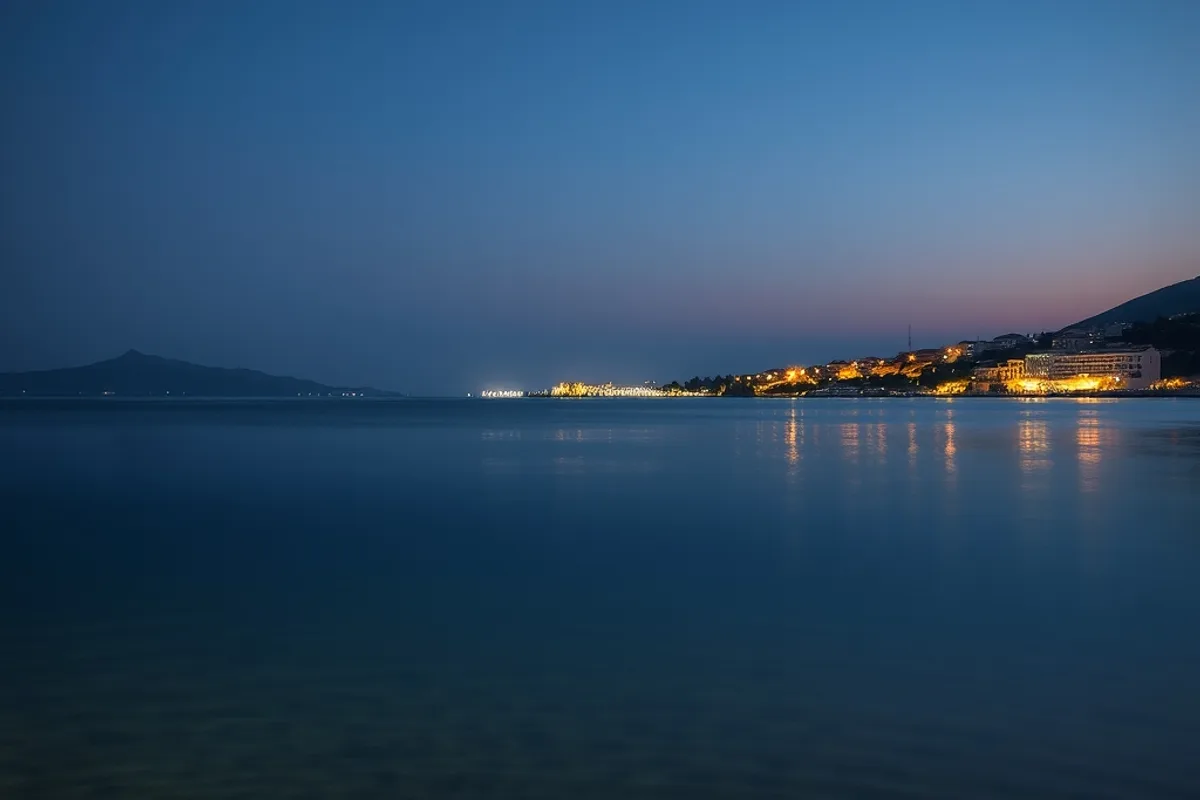
Coastlines move. Rivers silt up. Earthquakes lift or drop the land. A harbour that was once the reason for a city's existence can become a marsh, a car park, or a field, and the city can move its centre elsewhere. The site is then preserved by accident, buried under sediment and built over.
This is a mixed blessing. Burial protects material from looters and weather, but it also makes it hard to study. Excavating a waterlogged site is slow, expensive and technically demanding. Every season of digging has to be followed by years of conservation.
There is also a political dimension. Coastal development is lucrative, and the pressure to build marinas, hotels and roads is intense. Archaeologists often find themselves arguing for the protection of a site that has no visible monument to show the public.
What we owe the ordinary
The romantic view of archaeology is that it recovers lost civilisations. The more honest view is that it recovers lost routines. The sunken harbour does not tell us what the city's rulers believed. It tells us what its workers ate, how its warehouses were lit, and how its merchants argued about a delivery.
That is a more democratic kind of history, and a more useful one. It reminds us that the past was not made only of extraordinary people and events. It was made of ordinary people doing ordinary things, in large numbers, for a very long time — and leaving traces that are still there, under the water.