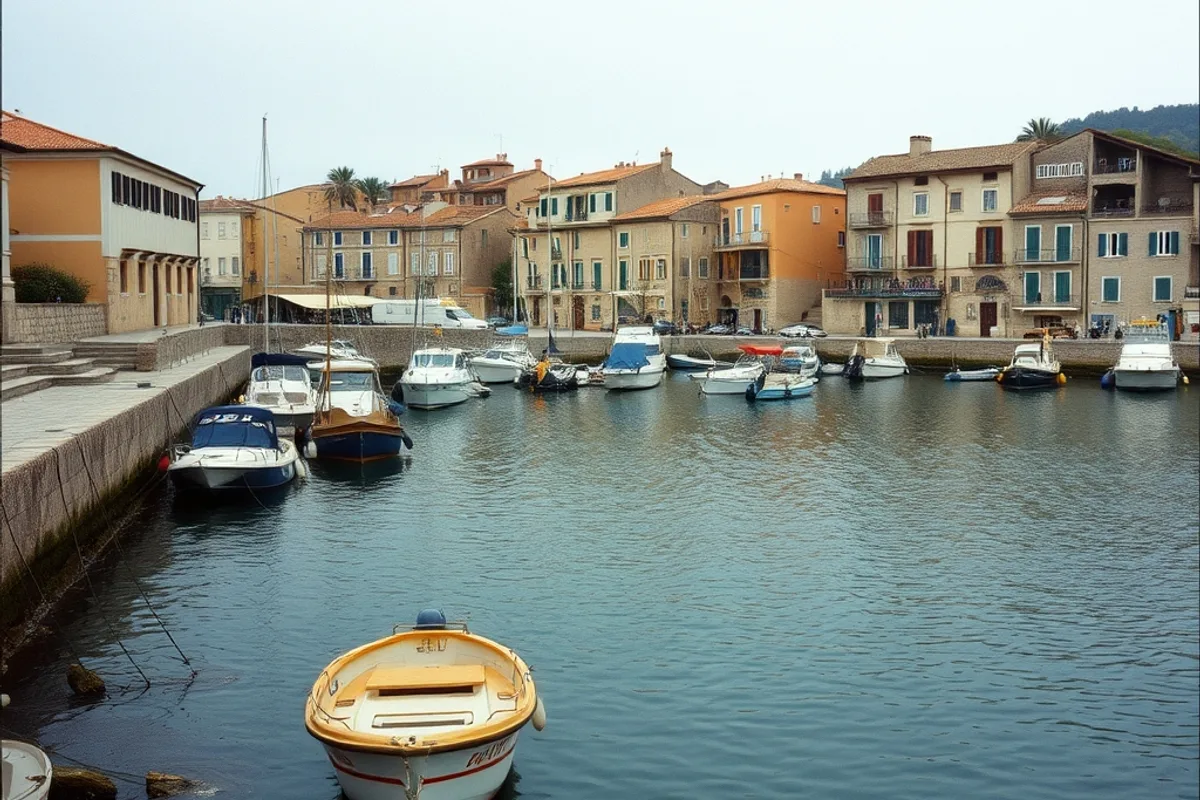
In the last week of October, the harbour at a small town on the Ligurian coast settles into a rhythm that would be unrecognisable in July. The ferry runs twice a day instead of six times. The bakery opens at seven and closes when the last focaccia is gone. The woman who rents out sun loungers in summer has folded them away and is pruning the lemon trees behind her house. The sea is still warm enough to swim in, if you are brave, and the light is better than it is at any point in high summer.
For decades, this was simply the end of the season — a gradual shutdown that coastal economies accepted as inevitable. Increasingly, it is something else: a market. Off-season travel has moved from a niche preference for people who dislike crowds to a deliberate strategy for towns that can no longer afford to live on four crowded months.
The season that pays the bills
The arithmetic of coastal tourism has always been awkward. A town may receive most of its visitors between June and September, but it pays rent, wages, insurance and maintenance for twelve months. When the summer is good, the surplus carries the year. When it is disrupted by a heatwave, a wildfire or a transport strike, the surplus disappears and the town spends the winter paying for a season that did not happen.
That fragility has become harder to ignore. Water shortages in the Mediterranean have forced some municipalities to restrict pools and garden irrigation in peak weeks. Wildfire risk has lengthened. Residents who once tolerated the noise of August have started to leave, taking the school rolls and the year-round workforce with them. Spreading visitors across more of the year does not solve any of these problems on its own, but it reduces the concentration that makes them worse.
There is also a simple commercial argument. A guest in October pays roughly the same for a room as a guest in July, while the cost of serving them is lower. Restaurants can cook properly instead of turning tables every forty minutes. Staff can be employed on longer contracts, which makes it possible to keep them. The town stops treating the other eight months as a waiting room.
What changed after the crowds left
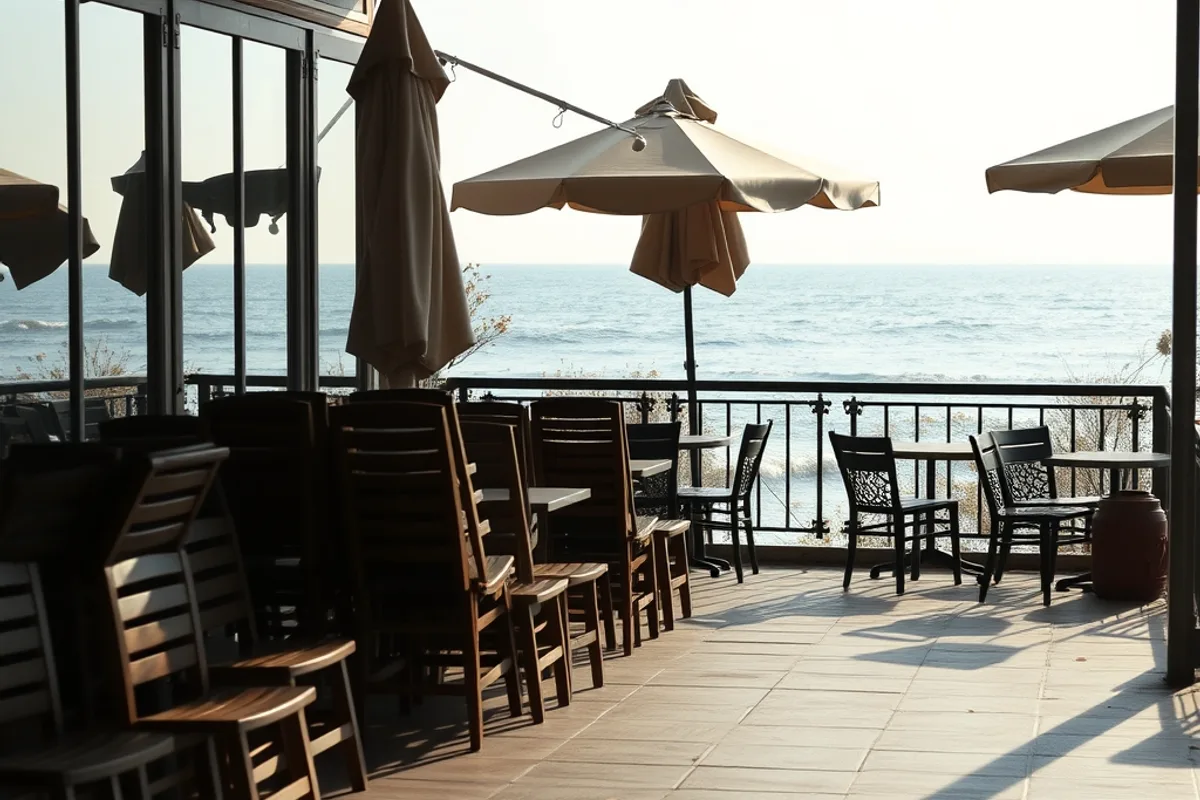
The most obvious change is spatial. A street that is a single slow-moving queue in August becomes a street again: wide enough for two people to pass, quiet enough to hear a conversation through an open window. The famous viewpoints are still worth visiting, but you no longer visit them in a line.
The second change is conversational. In summer, the people serving you are usually too busy to talk, and the people around you are usually other visitors. In the shoulder months, the ratio flips. You are more likely to meet someone who lives there, and more likely to be told which beach the locals use, which bus actually runs in winter, and which restaurant is worth the walk.
The third change is in what there is to do. Coastal towns in winter are not resorts; they are working places. Fishing boats go out. Schools run. The cultural calendar shifts indoors — small concerts, lectures, film nights, food festivals built around what is actually in season. It is a different kind of holiday, and for many travellers it is the more memorable one.
The infrastructure problem
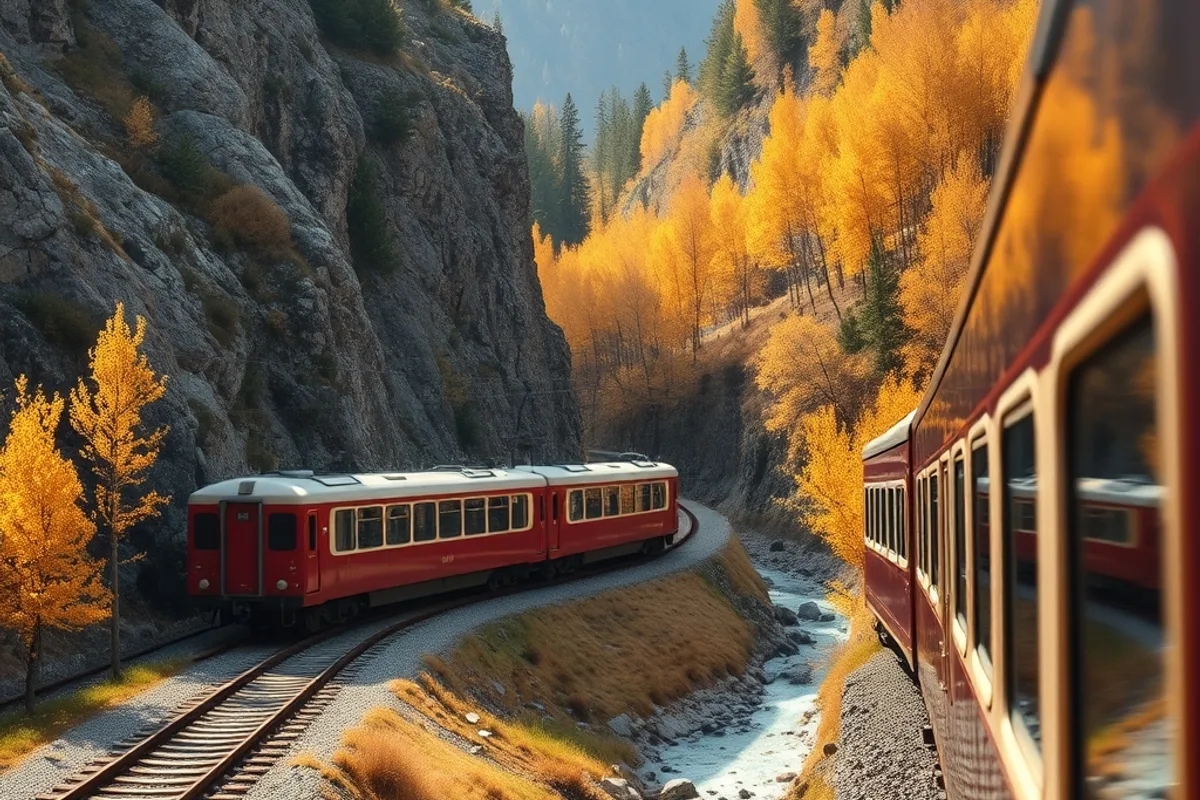
Off-season travel has a practical obstacle that is rarely mentioned in the glossy version: the transport network is often designed for the opposite pattern. Ferries are cut, regional buses are reduced, and some coastal rail lines run a winter timetable that makes a spontaneous day trip impossible. Airlines reduce routes. Car rentals shrink their fleets.
This is slowly changing, partly because local governments have started to treat winter visitors as residents rather than as an anomaly. Some regions now keep a minimum level of bus service through the winter and publish it clearly in English as well as the local language. A few ferry operators have introduced flexible tickets that allow travellers to change dates without penalty. The improvements are modest, but they matter: a traveller who cannot get to a town cannot spend money in it.
There is a lesson here for destinations that want to promote the off-season. Marketing a quiet beach is easy. Making the quiet beach reachable in November is the actual work.
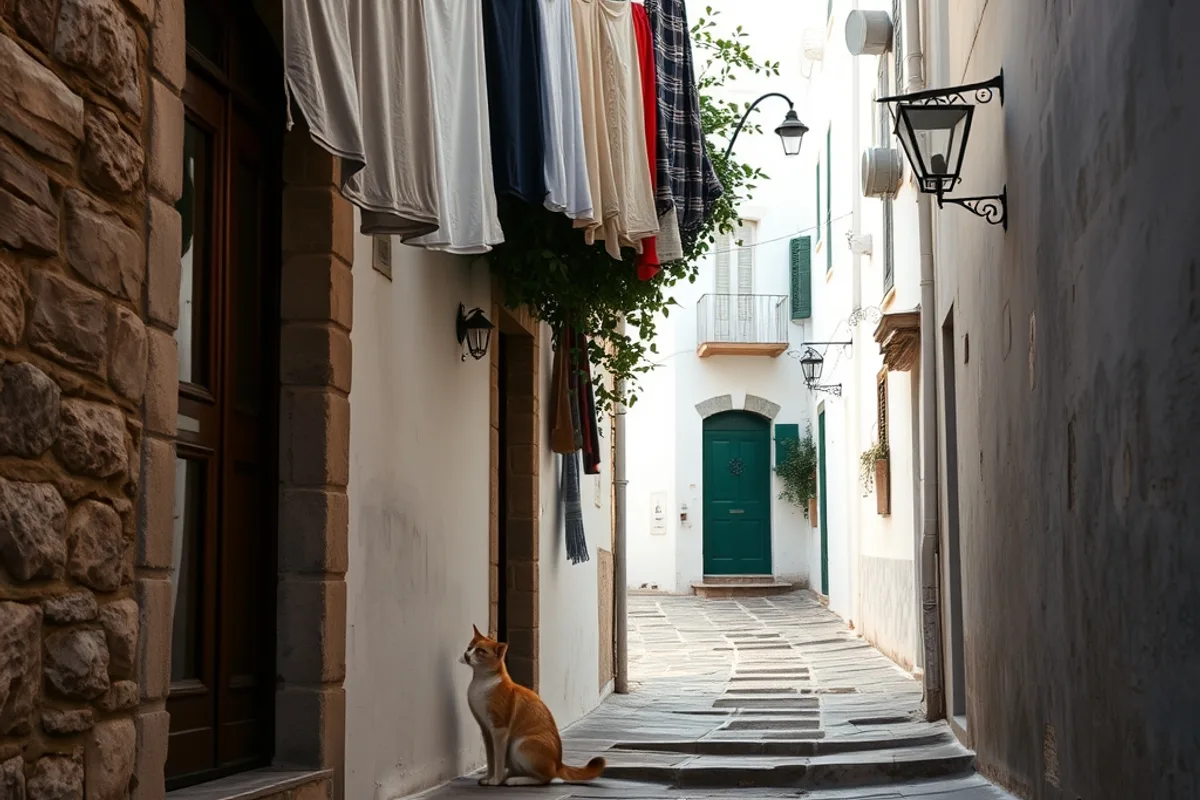
A different kind of visitor
The people who travel in the shoulder months are not a single demographic. They include remote workers who can take a Tuesday off, retired couples who prefer cooler weather, hikers and cyclists for whom summer heat is a hazard, and younger travellers priced out of August accommodation. What they share is a willingness to trade certainty for atmosphere.
That trade has consequences for how destinations should present themselves. An off-season visitor does not need a packed programme of events. They need reliable information: what is open, what is closed, how to get around, and what the weather is genuinely likely to do. They also need permission to do less. The best winter tourism campaigns do not promise a party. They promise a place to think.
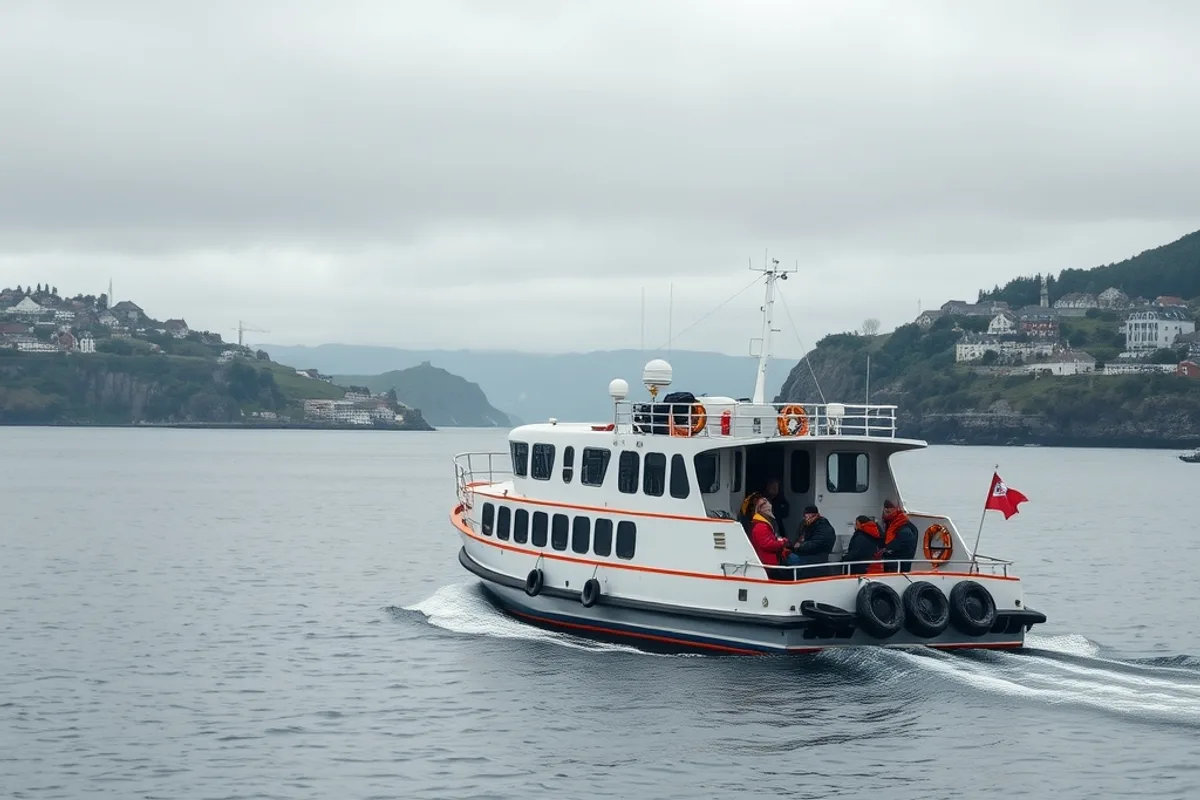
What good off-season travel looks like
For travellers, the practical advice is unglamorous. Check opening hours directly rather than relying on summer listings. Book the first and last nights carefully, because those are the transfers most likely to fail. Build slack into the itinerary. And accept that the town you are visiting is not a resort: some things will be shut, and that is part of the point.
For destinations, the advice is harder. Off-season tourism only works if it is not simply a discount version of the summer. It needs its own offer — walking routes, food culture, craft, music, the ordinary life of the place — and it needs residents to be involved in shaping it. Otherwise the same concentration returns, just spread over a slightly longer calendar.
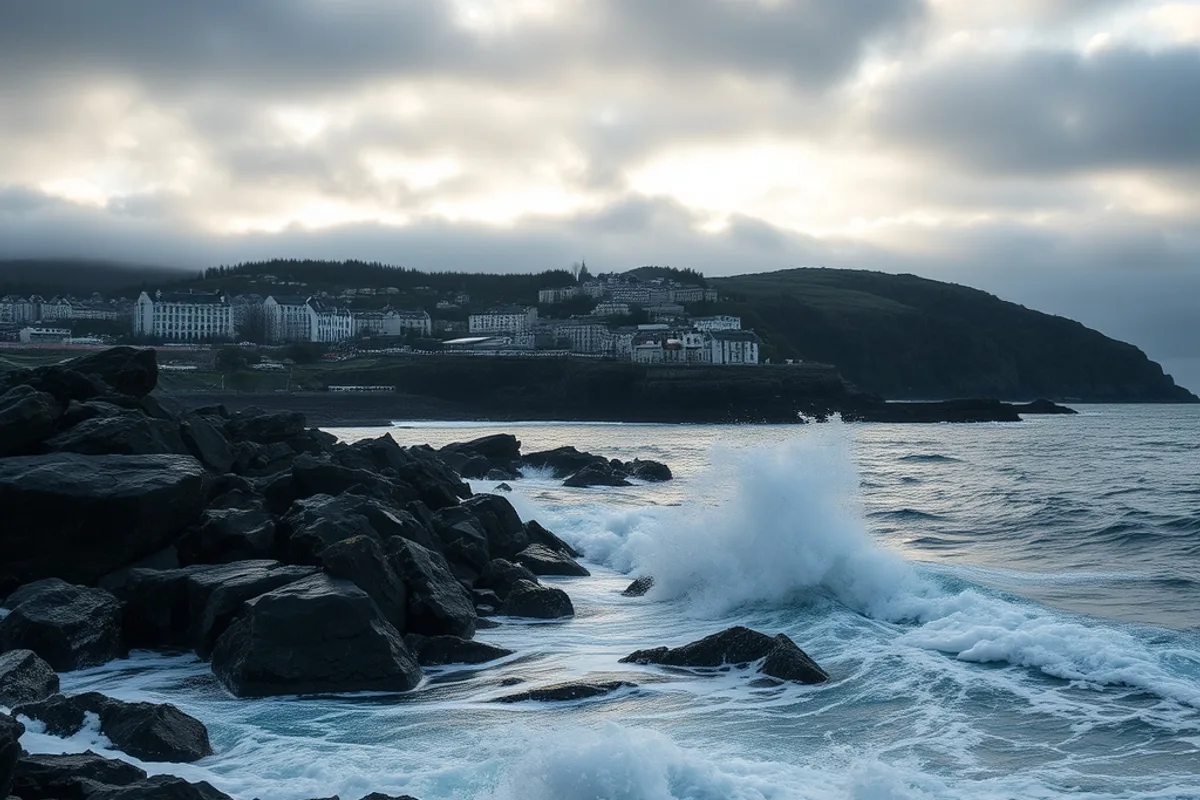
The coast in winter
On the last evening of October, the harbour bar fills with people who have known each other for years. A fisherman complains about the price of fuel. Two teachers argue about a film. Someone brings a plate of fried anchovies and puts it on the counter without being asked. Outside, the sea is doing what it does in every season, indifferent to the visitor economy.
This is not the Mediterranean of the brochure. It is better: a place that exists for its own reasons, and is willing to let you stay for a while.