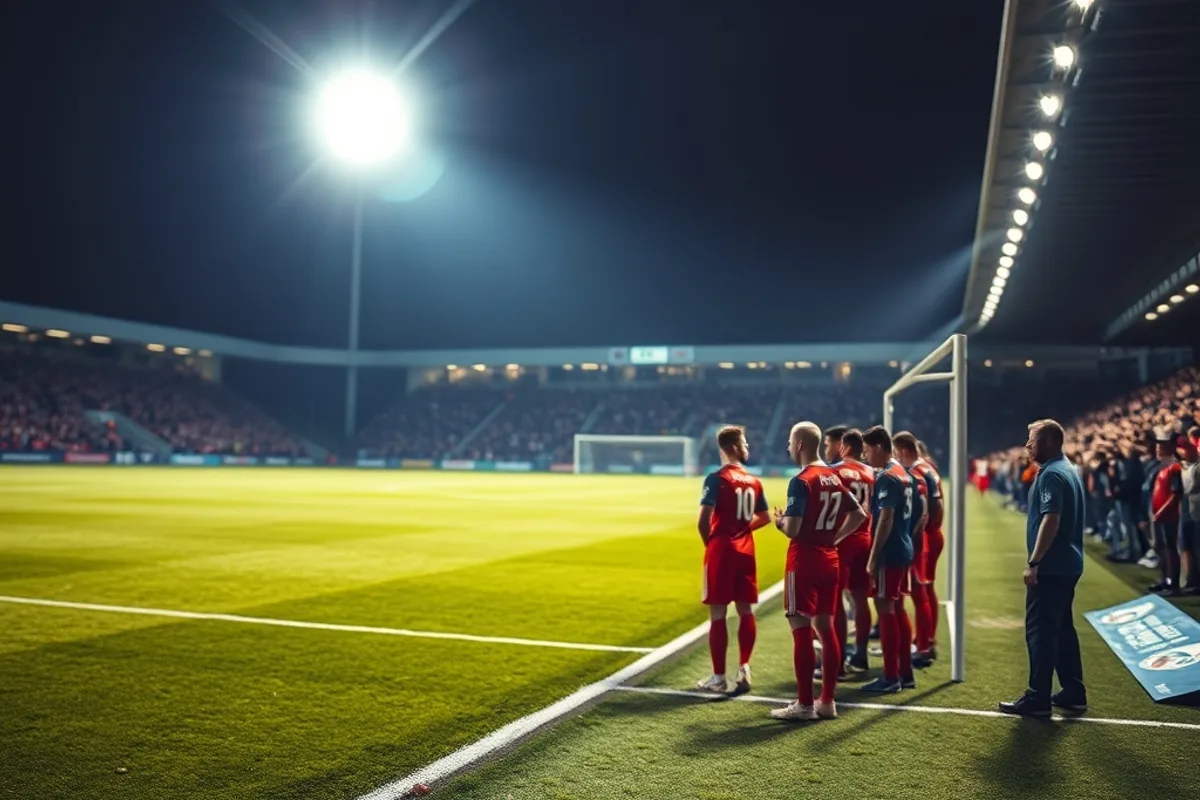
With eight minutes left and a two-goal deficit, most teams used to do the same thing: push a defender forward, play longer passes, and hope. The pattern was so consistent that commentators could describe it in advance. What has changed, quietly, is that the last ten minutes have become the most rehearsed part of the game.
Analysts now talk about "game states" rather than formations. A team does not have one shape; it has a shape for leading by one, for trailing by one, for playing with ten men, for the last five minutes of a cup tie. The result is that late comebacks are no longer purely emotional events. They are planned.
From gut feeling to probability
The shift began with play-by-play data. Once every pass, shot and tackle in a match could be logged and compared across thousands of matches, it became possible to ask a different question: given this scoreline, this clock and this field position, what actually improves the chance of scoring next?
The answer was often counter-intuitive. Long balls into the box, the traditional last resort, tend to reduce possession and create fewer high-quality chances than sustained pressure. Crosses from wide areas are less efficient than cut-backs. Shooting from distance, which feels urgent, is usually a way of giving the ball back.
Teams that understood this started to practise the unglamorous alternative: keep the ball, move the opposition, and wait for a better opening. It looks calmer. It is not less aggressive; it is aggressive in a more patient way.
The substitution window
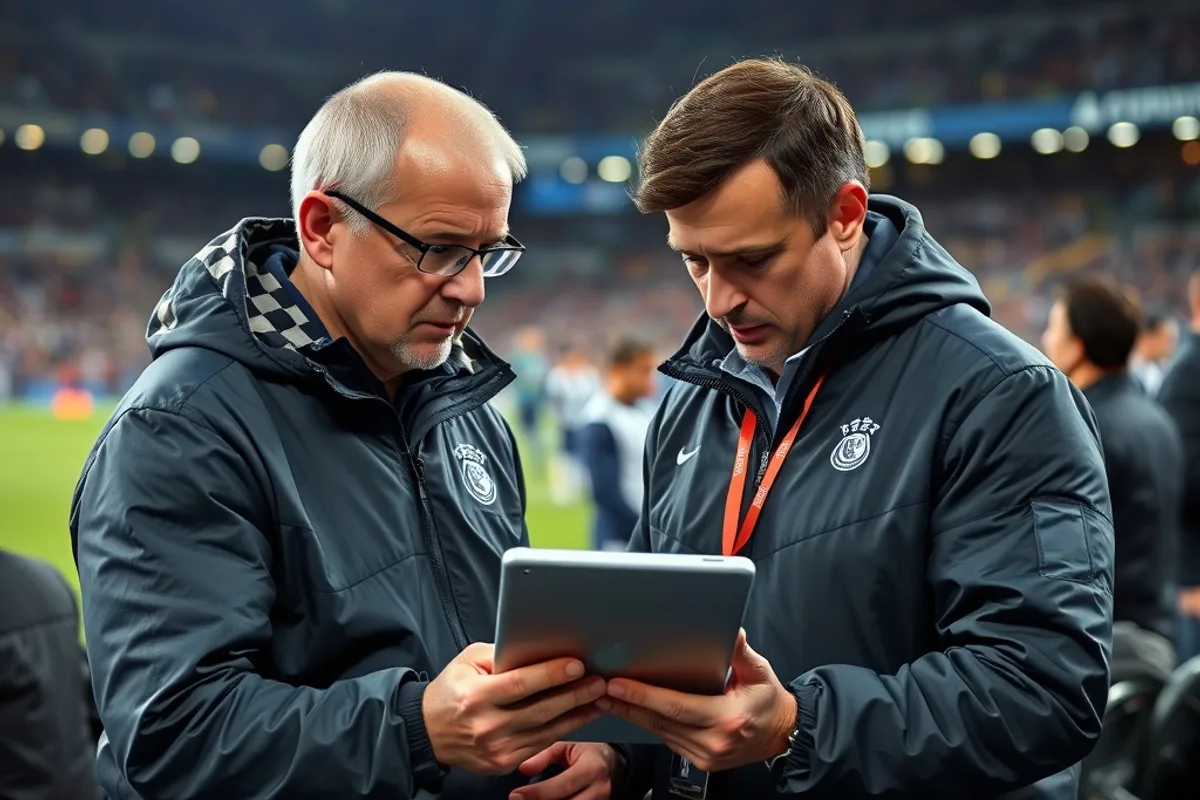
Rule changes helped. The five-substitution allowance, introduced for fixture congestion and then made permanent, gave coaches a second lever. A coach can now change the shape of a match three times in the last half-hour, bringing on fresh legs in specific positions rather than using substitutions as a reward or an emergency.
The best teams plan those changes in advance. A winger who has run 10 kilometres is not the same defender's problem as a winger who has run four. Analysts model the drop-off in sprint output and use it to decide when a full-back should be replaced, even if they are playing well.
This has produced a new kind of squad player: the specialist closer, who may start only a third of matches but almost always finishes them. Their statistics look modest until you filter for the last twenty minutes.
The psychology of the planned comeback
There is a risk in all this. A team that has been told exactly what to do when trailing may stop trusting its own instincts. Coaches talk about the need to leave room for improvisation, especially in the chaos of the final minutes.
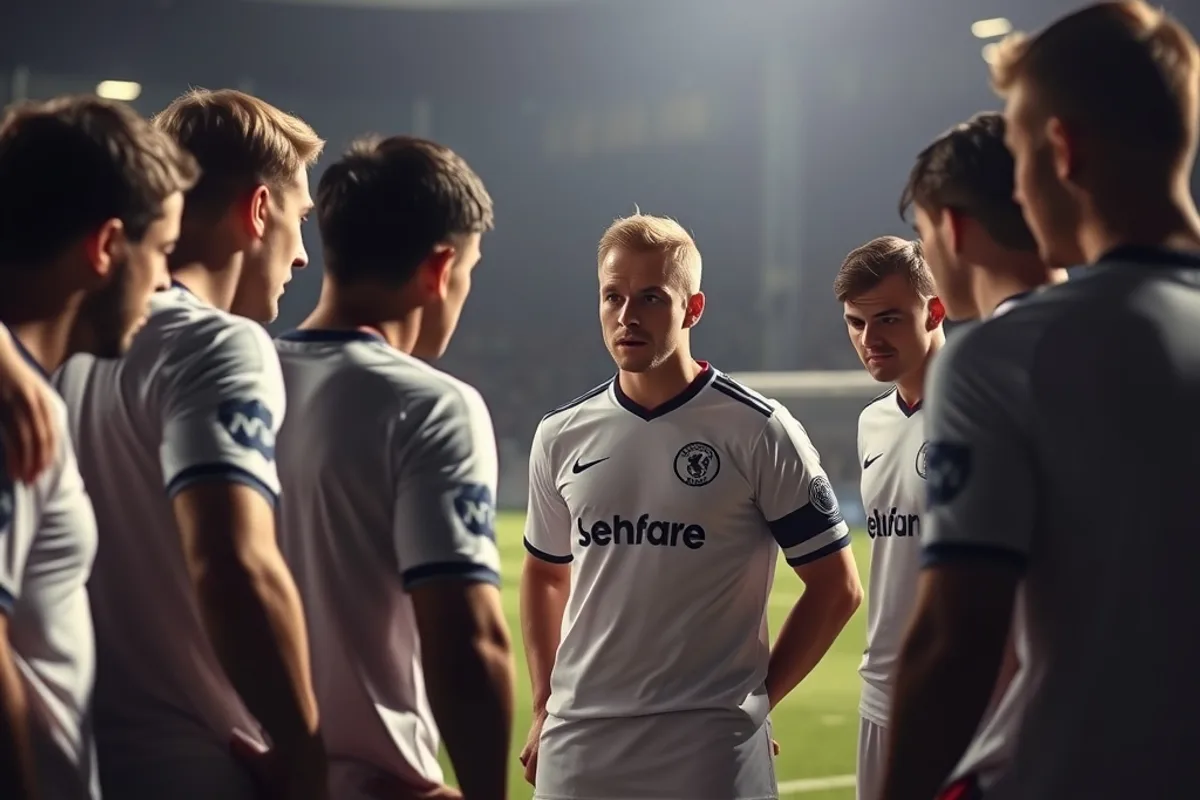
But the psychological effect of preparation is usually positive. Players who know the plan are less likely to panic. They know that a shot from thirty yards is not the only option, and that a sideways pass is not cowardice. The bench knows when to warm up. The captain knows who is taking the corner.
Opponents notice. A side that expects to be bombarded with crosses can prepare for it. A side that expects to be pressed for ten minutes has to decide whether to defend deeper or keep the ball. The uncertainty is the weapon.
What the numbers still miss
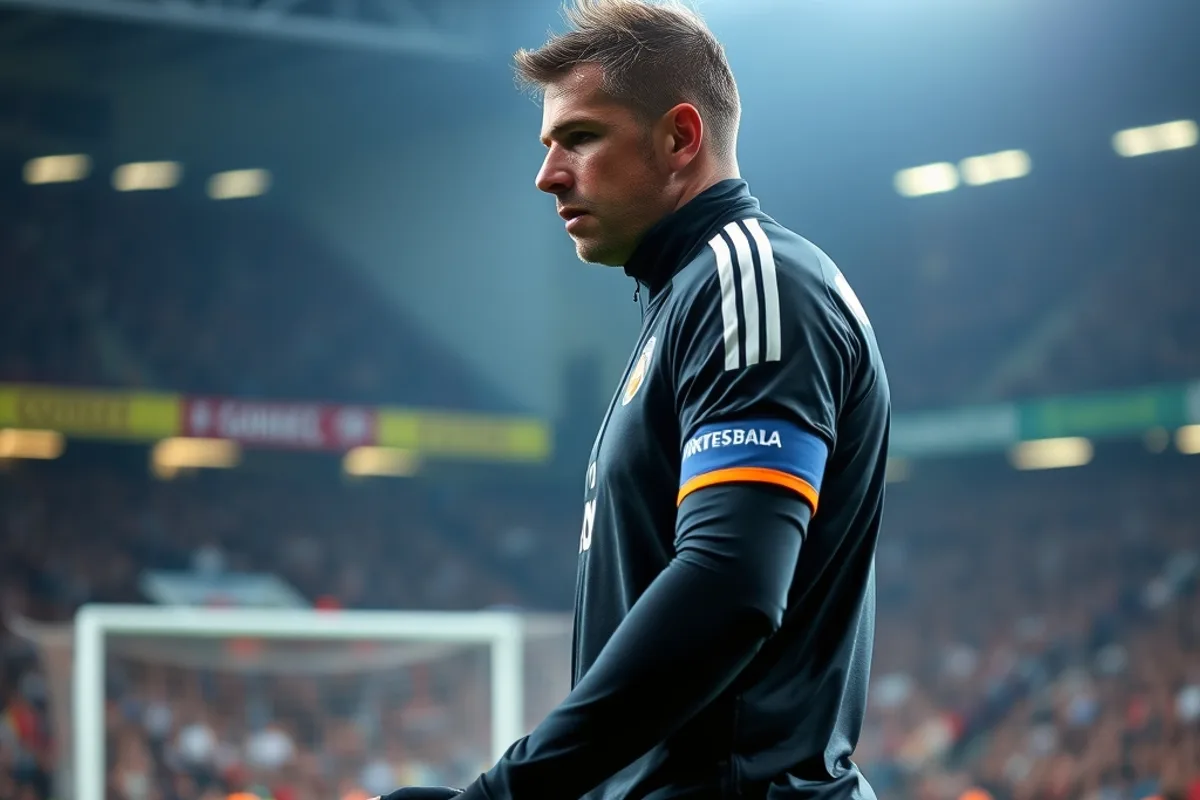
For all the sophistication, the models are imperfect. They struggle with crowd pressure, with the psychology of a tired defender, with the strange decisions people make when they are frightened. They cannot measure the value of a captain who calms everyone down, or a goalkeeper who decides to go up for a corner.
There is also a selection problem. Teams that are trailing late are, by definition, losing. The data is full of failed comebacks as well as successful ones, and it is easy to study the winners and conclude that their approach caused the result. Careful analysts spend a lot of time on the failures.
The new final ten minutes
The visible result is a change in atmosphere. The last ten minutes used to be a single sustained roar. Now they are more stop-start: a substitution, a tactical reset, a spell of possession, a counter. The crowd has to learn when to be loud.
For supporters, the experience is arguably better. A team that is two goals down and still passing the ball is making a statement: we believe there is a way back. Sometimes there is. Sometimes there is not. But the attempt has a shape, and that shape is the product of a decade of work that happens far from the pitch, in rooms full of spreadsheets and video.
The comeback, in other words, has become a craft. It is no less dramatic for being planned. If anything, the drama is sharper, because everyone involved knows exactly what is at stake and exactly how little time there is.