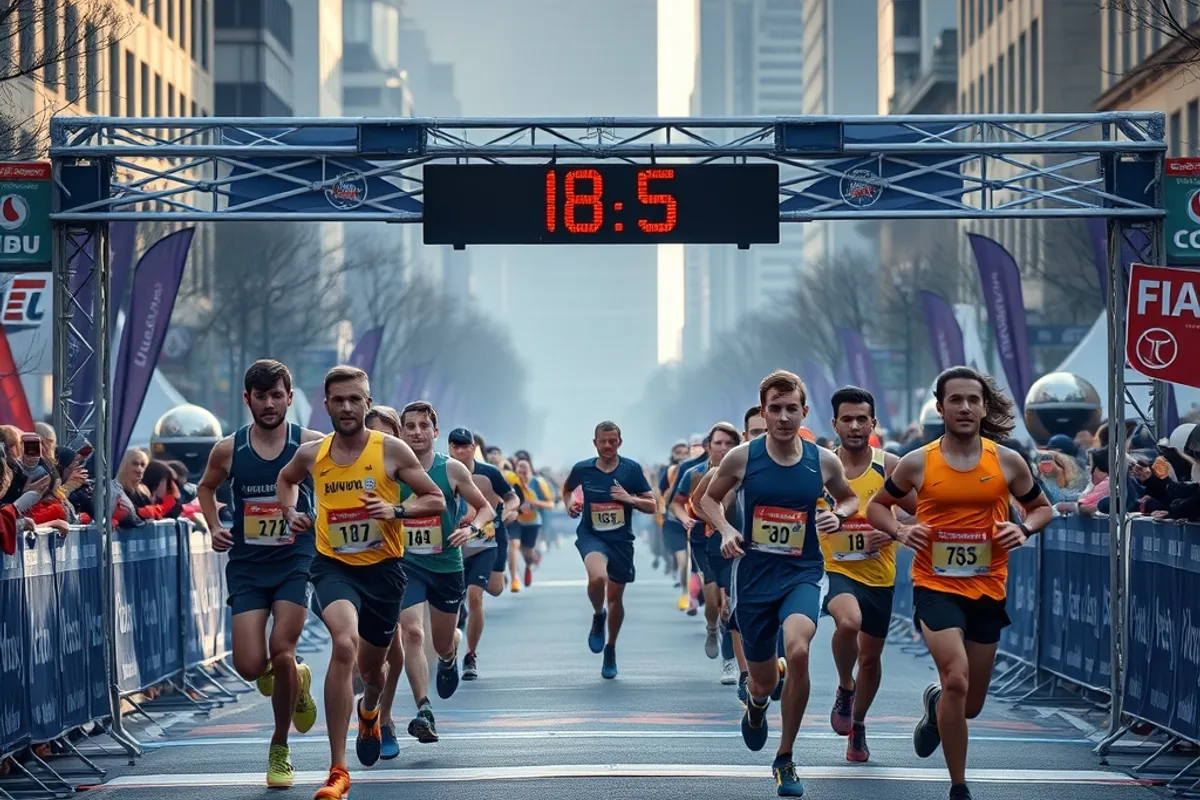
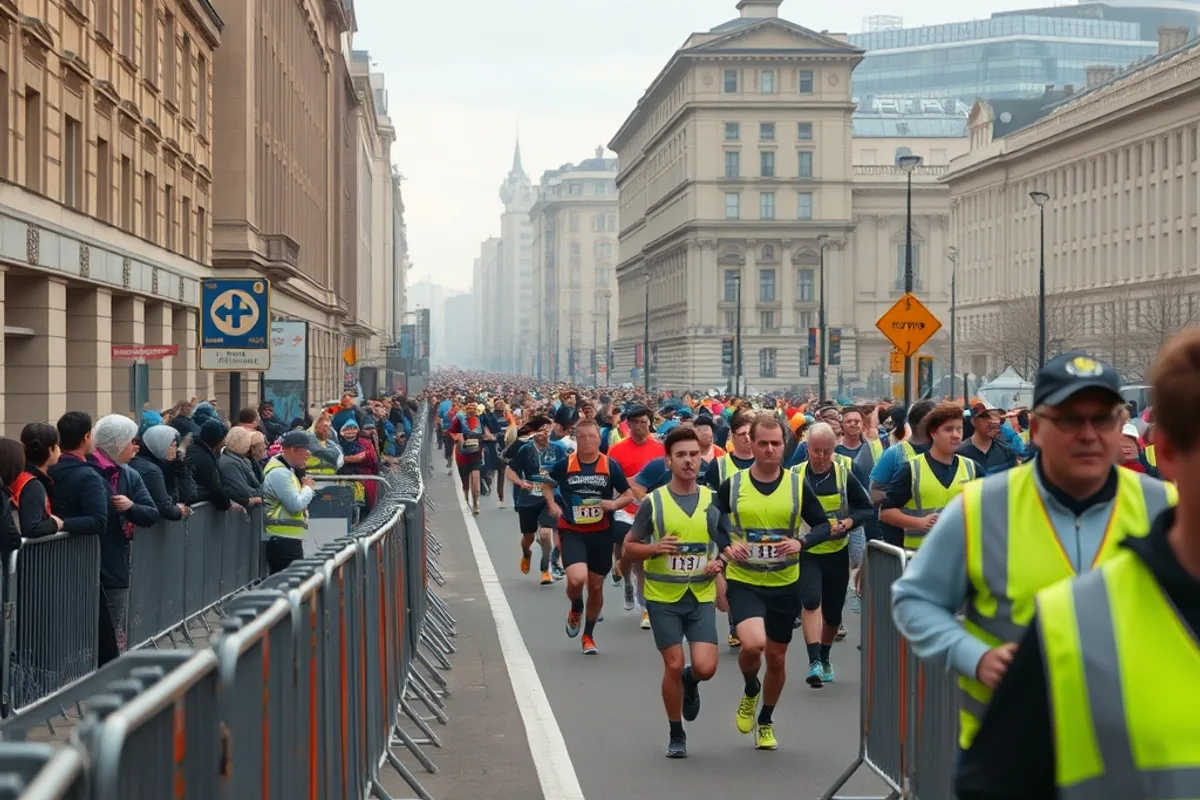
On race morning, the city looks like it has been given a gift. Forty thousand runners in technical shirts, thousands of spectators, closed streets, a finish line with a clock and a wall of sponsors. The photographs are excellent. The economic impact report, published a few weeks later, will be excellent too.
Then the barriers come down, and the questions start. Who paid for the policing? Who cleaned the streets? What did the road closures cost the businesses inside the route? Did the visitors who came for the race displace the visitors who would have come anyway? A marathon is a sporting event, but it is also a large piece of temporary urban infrastructure, and its ledger is more complicated than the headline number suggests.
The number that gets quoted
Economic impact studies for major races typically multiply the number of visitors by an average spend and add the organisers' own expenditure. The result is often a figure in the tens of millions. It is a real figure in the sense that the money is spent, but it is not the same as a net gain to the city.
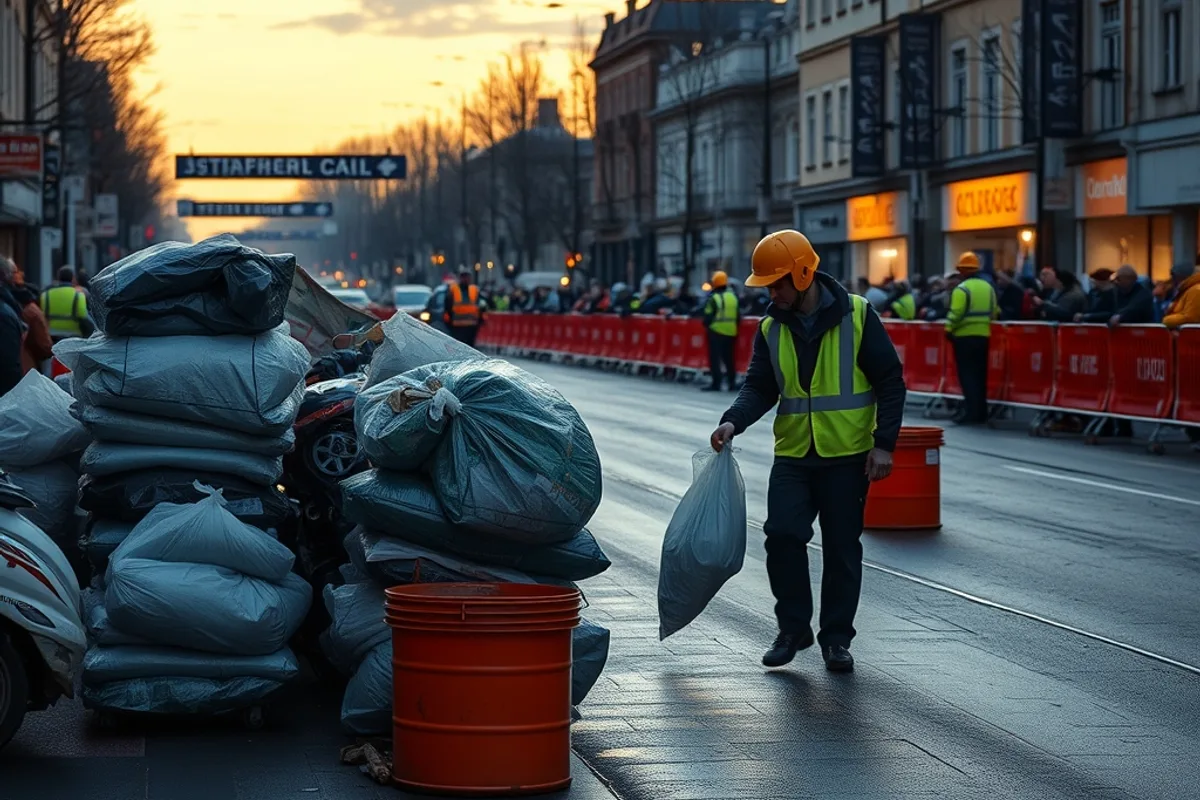
Some of that spending would have happened anyway. Some of it goes to national hotel chains and airlines rather than local businesses. Some of it is offset by residents who leave town to avoid the closures, or who postpone a purchase until the weekend after. And some costs — road repairs, extra policing, temporary toilets, waste collection — are borne by the public purse rather than the race organiser.
None of this means marathons are a bad deal. It means the deal needs to be measured properly.
The costs that are easy to miss
The most visible cost is traffic. Closing a course for six hours affects deliveries, shift workers, emergency services and anyone whose usual route runs through the centre. Cities can mitigate this with clear diversion plans and free public transport on race day, but they cannot eliminate it.
The second cost is staff time. Police, traffic management, medical cover and cleaning are often provided at reduced or no charge to the organiser, on the grounds that the event brings wider benefits. That is a legitimate argument, but it should be recorded as a subsidy rather than treated as free.
The third is opportunity cost. A weekend in which the centre is given over to a race is a weekend in which it cannot host something else. For a city with a busy events calendar, that matters.
Where the money actually goes
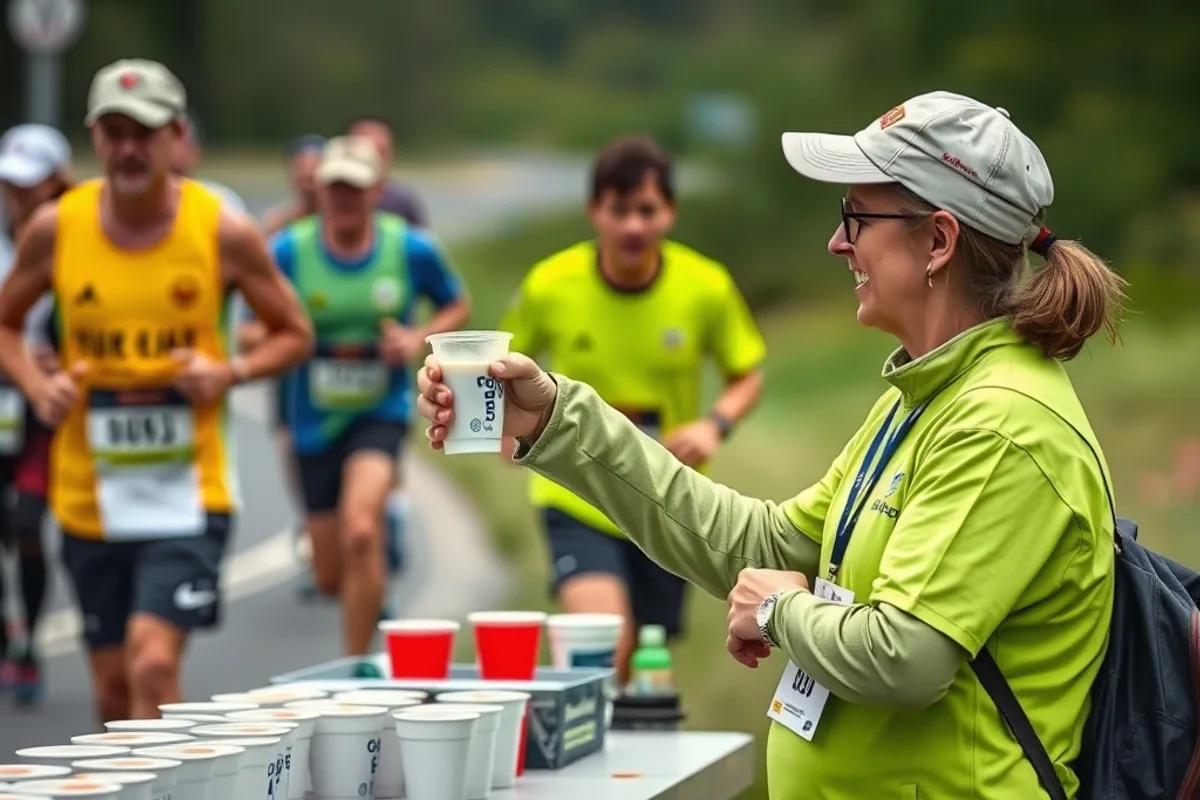
Sponsorship is the largest revenue line for most large races, followed by entry fees. Elite athletes are a small share of the budget; the real expense is logistics — timing systems, medical tents, road closures, volunteers, insurance, and the temporary city that has to be built and removed in a single night.
Charity fundraising is often presented as the moral core of the event, and it is substantial. But it is also unevenly distributed: a handful of large charities capture most of the money, while smaller causes struggle to recruit runners. Cities are increasingly asking organisers to publish a clearer breakdown of where the funds go.
What a good race looks like
The races that earn their place tend to share a few features. They are integrated into the city's transport plan rather than imposed on it. They use the event to fund permanent improvements — a new park path, better signage, a community sports programme. They give local clubs and schools a stake. And they publish their impact figures with enough detail that residents can argue with them.
They also respect the people who are not running. A race that treats residents as obstacles will generate resentment that outlasts the weekend. A race that treats them as hosts — with free entry to the finish area, a residents' hotline, and a clear plan for getting to work — builds a constituency.
The morning after
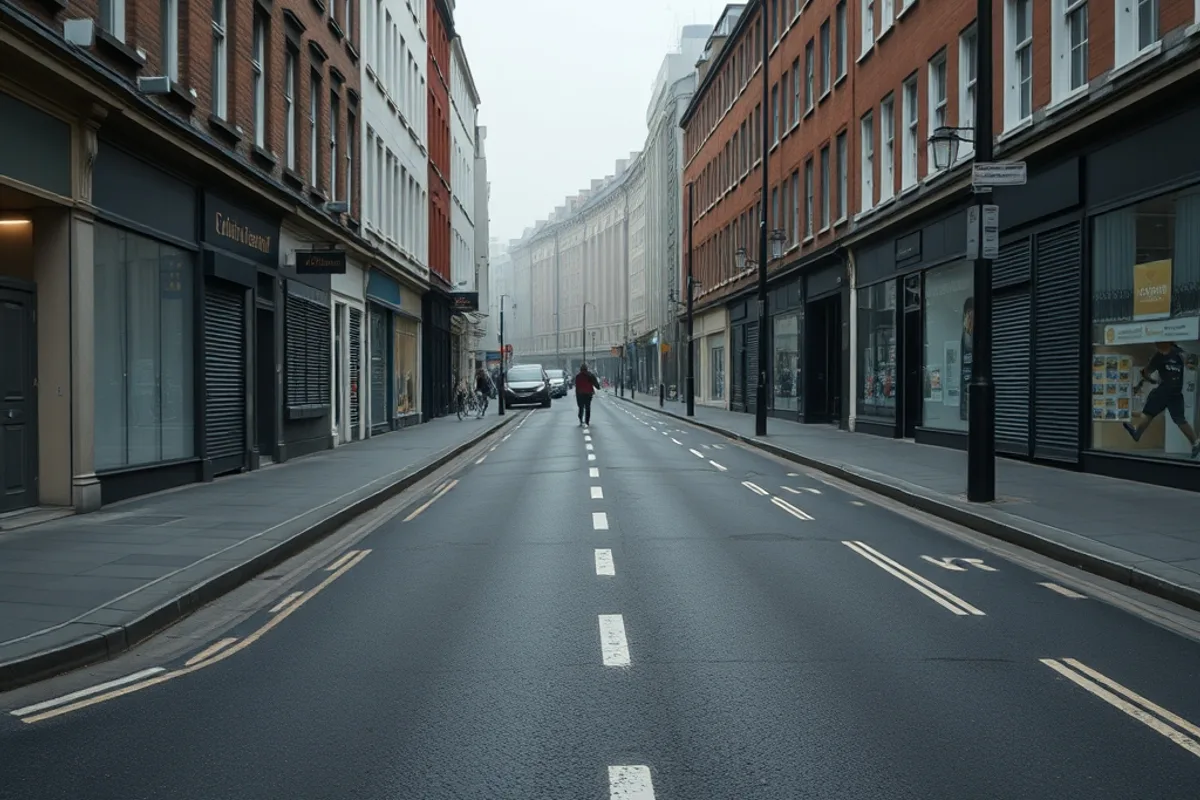
By Monday, the barriers are stacked on a lorry and the paint on the road has been power-washed away. The city is back to its ordinary self, which is the point. The value of a marathon is not the money it drops in a single weekend. It is whether the city is a slightly better place to live for the other 364 days — and whether the people who live there would welcome it back.