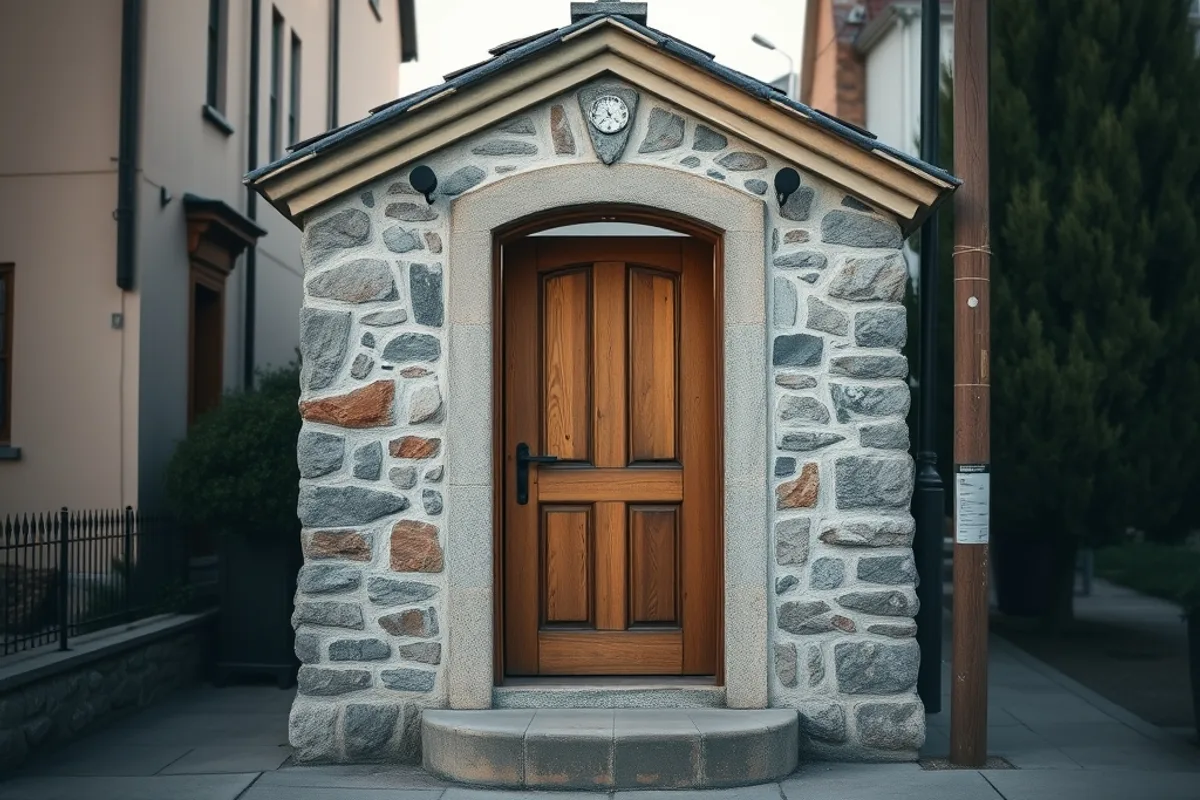
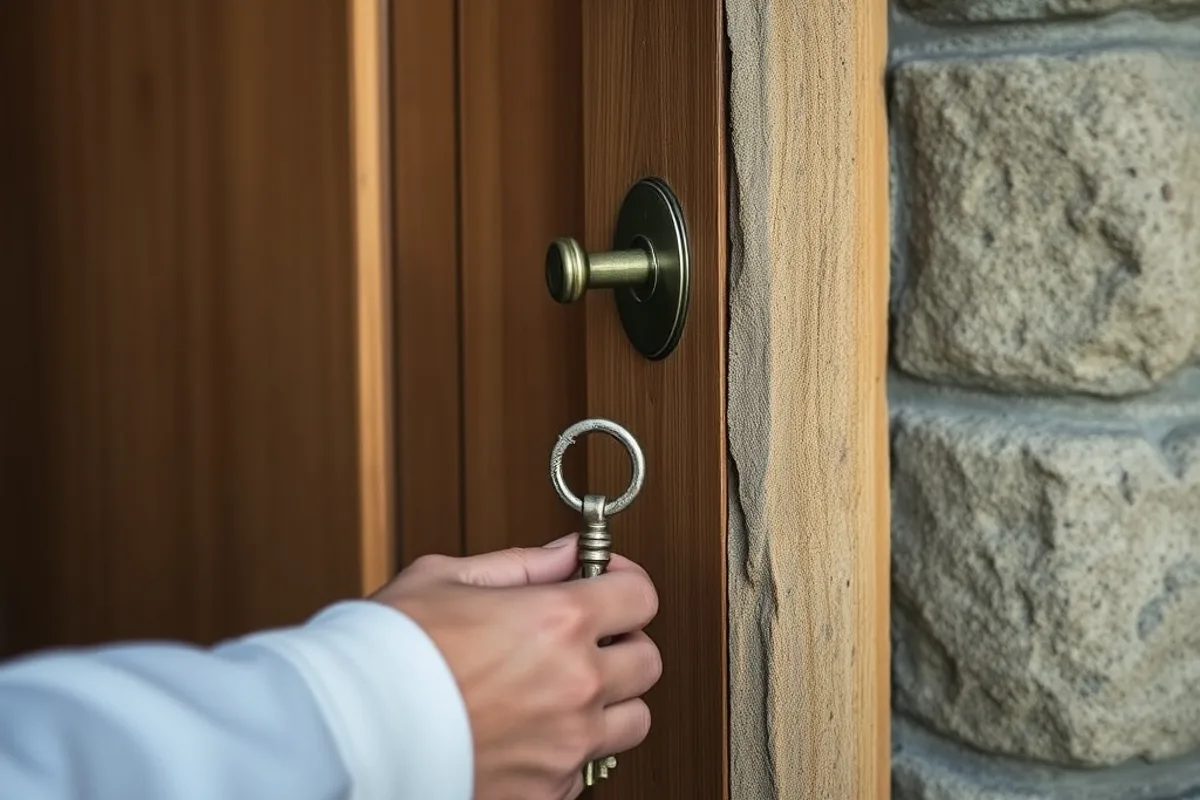
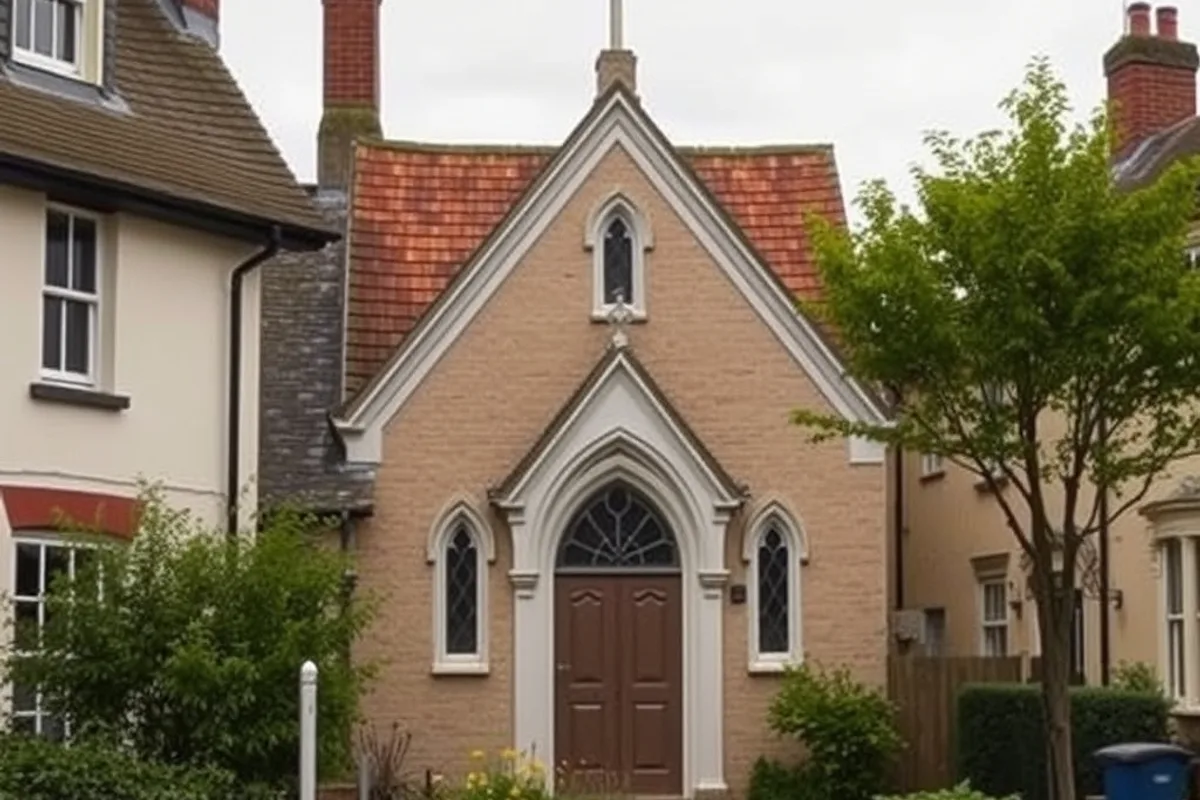
The chapel has no heating on weekday mornings. It does not need it: the stone holds the warmth of the previous day, and the door is opened at eight so that anyone who wants to sit for a while can do so. There is no service until Sunday. The rest of the week, the building is a room.
For most of the twentieth century, a chapel like this was defined by its congregation. It was open when there were people to fill it, and it closed when there were not. Across small towns and city neighbourhoods, thousands closed. Now a small number are reopening with a different purpose, and a different idea of what a sacred building is for.
The building problem
When a congregation shrinks, the building becomes a liability. Maintenance is expensive, insurance is expensive, and the income that once supported both has gone. Denominations have sold thousands of churches to developers, converted them into apartments, or demolished them.
Sometimes the sale is the right decision. A building that no one uses is not automatically worth preserving, and a community that cannot afford its church should not be shamed into keeping it. But the loss is real, and it is not only architectural. These buildings are often the only public room in a neighbourhood that is free to enter.
The revival has come from an unexpected direction: not from a return of worshippers, but from a recognition that the space itself has value beyond its original use.
What happens in an empty room
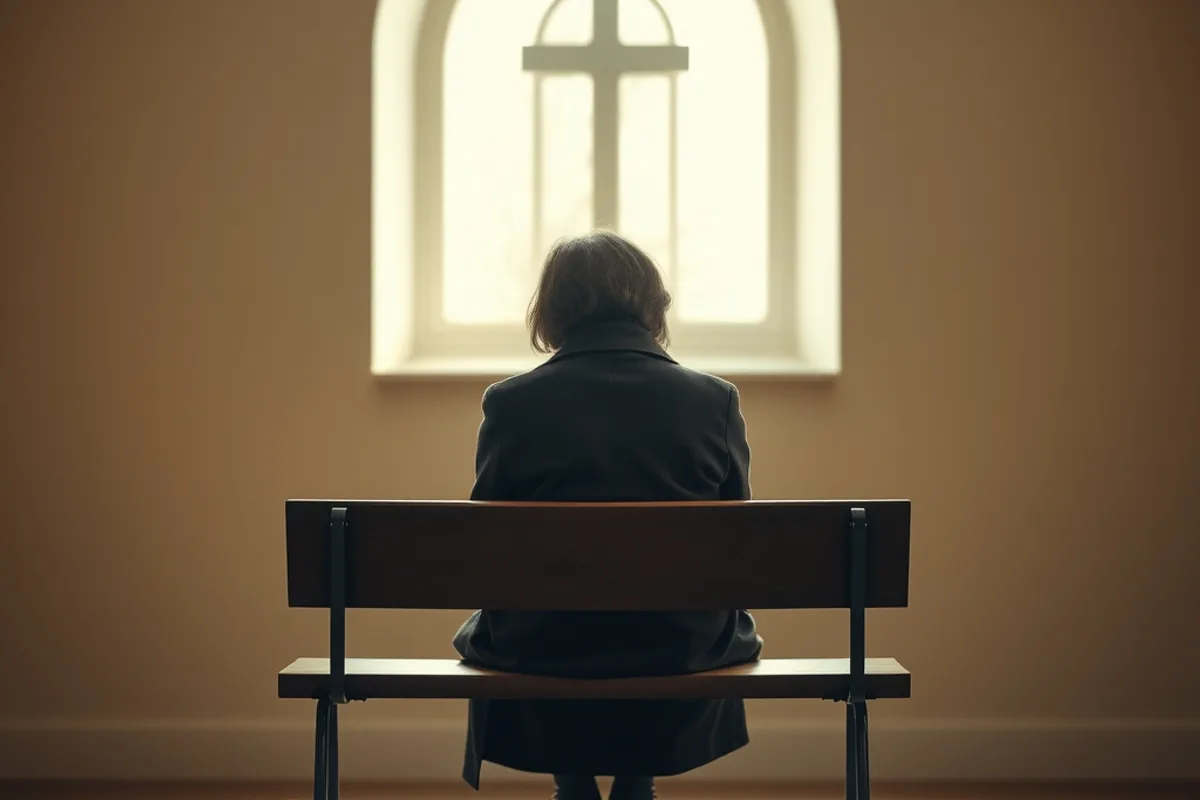
The chapel in question now opens five mornings a week for silent sitting. There is no programme, no leader and no collection. A notice by the door explains the simple convention: enter quietly, leave quietly, and keep silence. On a good day, six people come. On a bad day, one.
Those who come are not necessarily religious. Some are grieving. Some are anxious. Some are retired and lonely. Some simply want a place to be without being asked to buy anything. The chapel offers something that is increasingly rare in a town centre: an unheated, unmonitored, uncommercial room with a bench and a window.
The volunteers who run it are careful not to describe it as a church service. They are equally careful not to describe it as a secular wellness project. It is a building doing what buildings can do: holding space for people who need it.
The economics of a quiet room
The arrangement is modest and precarious. The building is owned by a trust, which covers insurance and structural repairs from a small endowment and occasional grants. The volunteers cover cleaning and opening. There is no paid staff.
That model works because the costs are low and the expectations are low. It would not work if the building needed a new roof. It also depends on a handful of people being willing to unlock a door every morning, which is a fragile kind of infrastructure.
Some congregations have found a more sustainable version by sharing the building: a chapel that hosts a food bank on Tuesdays, a choir on Thursdays and silence on the other mornings can justify its costs in a way that a Sunday-only church cannot.
Sacred, or simply quiet?
Not everyone approves. Some members of the original congregation feel that the building has been secularised, that the silence is a way of avoiding the harder work of worship. Others argue that the space was never theirs alone, and that opening it to everyone is closer to its purpose than locking it ever was.
The debate is older than the building. Every religious tradition has struggled with the question of whether a sacred space is defined by what happens inside it or by the intention of those who enter. The chapel's volunteers have chosen a practical answer: they keep the space open, and let the meaning accumulate.
The town without a common room
The wider context matters. Small towns have lost a great deal of informal public space: the library that shortened its hours, the pub that closed, the hall that is now a holiday let. The chapel is one of the few rooms left where a person can sit without spending money.
That is not a small thing. Loneliness is a public health problem, and the remedies are often architectural. A bench, a door that is open, a person who says good morning — these are not substitutes for medical care, but they are part of the infrastructure of a functioning community.
Morning light
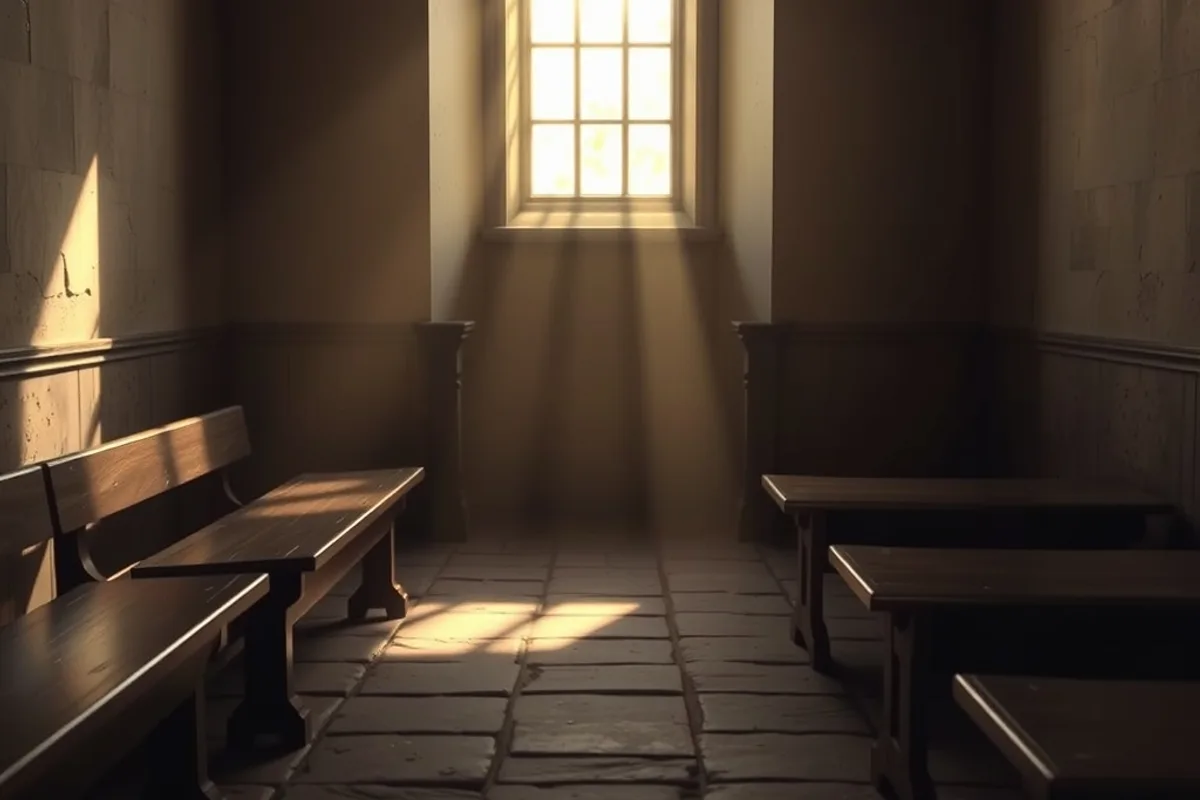
At ten, the sun clears the roof opposite and falls through the east window onto the flagstones. The room warms slightly. Someone comes in, sits at the back, and stays for twenty minutes. Then the door opens again and they are gone, and the chapel goes back to being what it is: a quiet room in a small town, waiting for the next person who needs it.