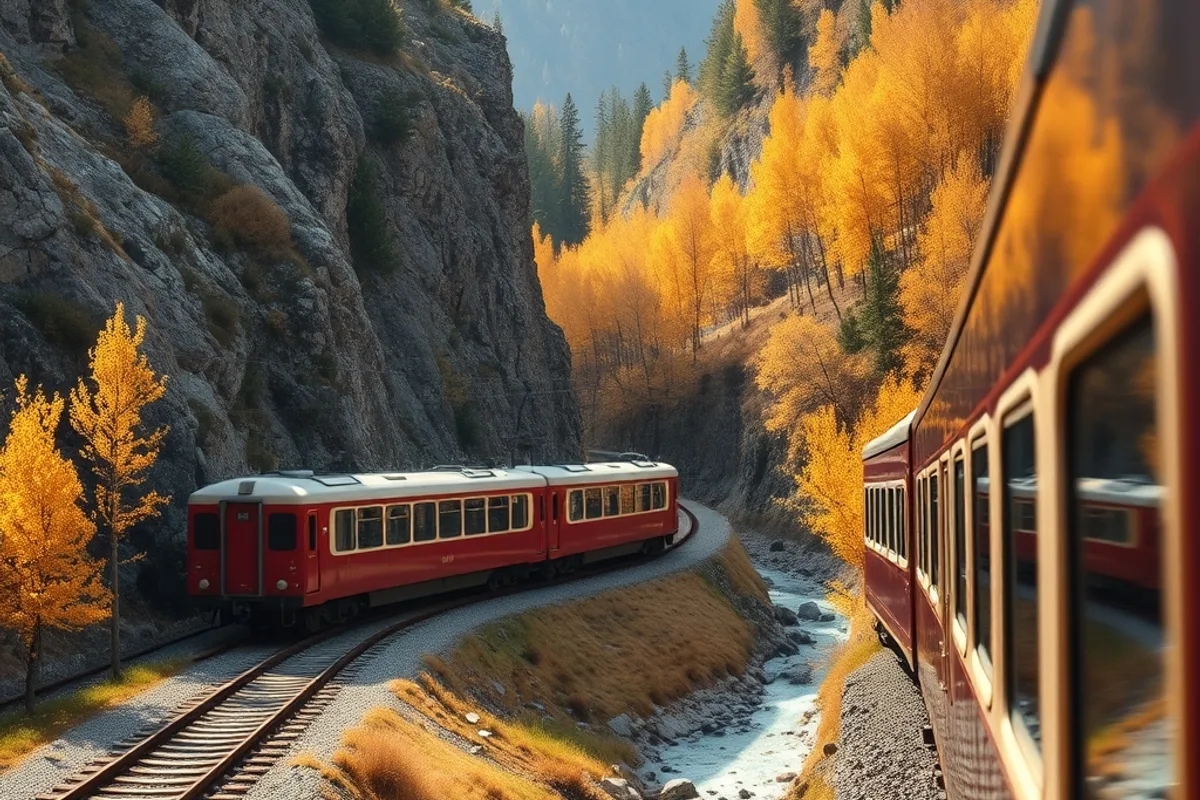
The train leaves the city just after seven, and within twenty minutes the apartment blocks have given way to orchards. By nine it is climbing, and by ten it has entered the long valley that most travellers cross in a tunnel without ever seeing. There are four other passengers in the carriage. One is reading a newspaper, one is asleep, and two are arguing cheerfully about whether the bakery at the next stop is better than the one after it.
This is the quiet revival of the Alpine regional railway: not the famous panoramic express with the glass roof and the commentary, but the ordinary service that connects villages to each other. A new generation of cross-border agreements, refurbished rolling stock and modest but well-designed connections has made it possible to cross the Alps by local train, stopping everywhere worth stopping.
The route that was always there
Most of these lines are not new. They were built in the late nineteenth and early twentieth centuries to move goods, mail and people between valleys that were otherwise separated by a day's walk. When car ownership expanded and freight moved to lorries, many were cut back or closed. What survived did so because a handful of communities depended on them.
The revival is partly a matter of investment and partly a matter of fashion. Refurbished carriages, better timetables and integrated tickets have made the network legible to visitors who would never have considered it. At the same time, the discomforts of short-haul flying have made the train a reasonable alternative rather than a sacrifice.
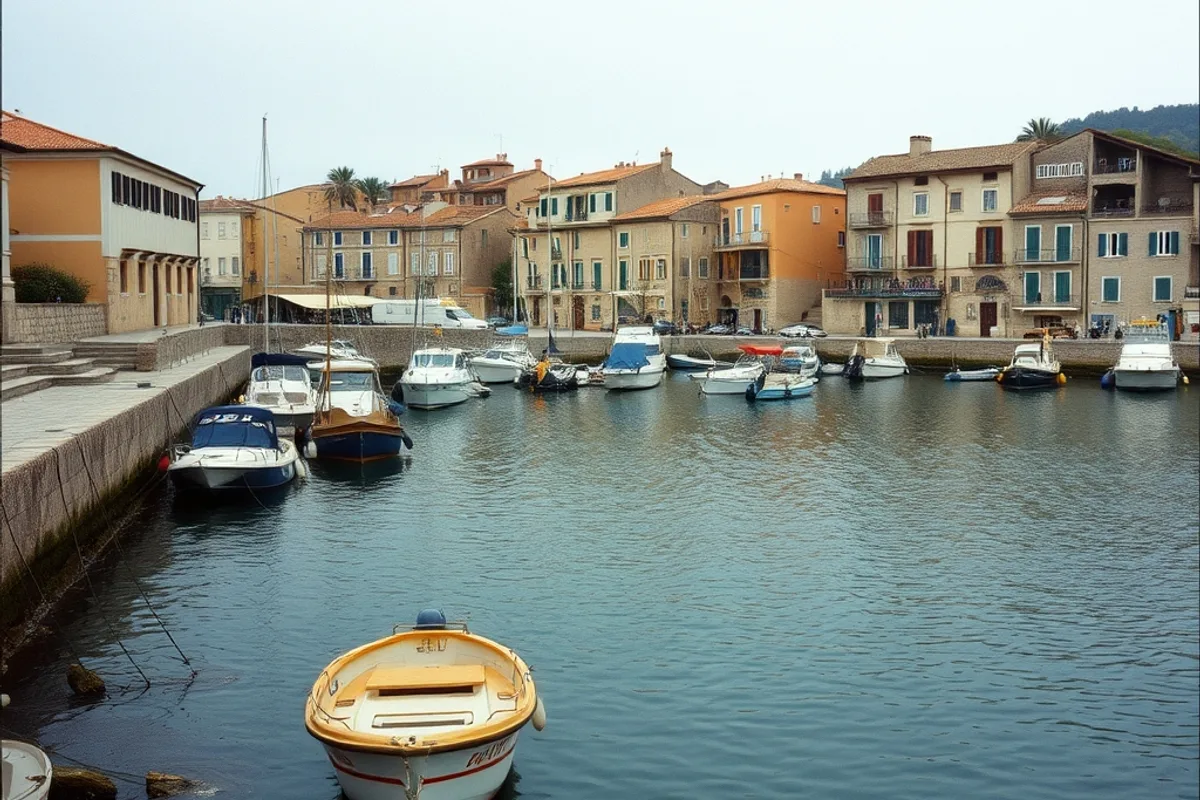
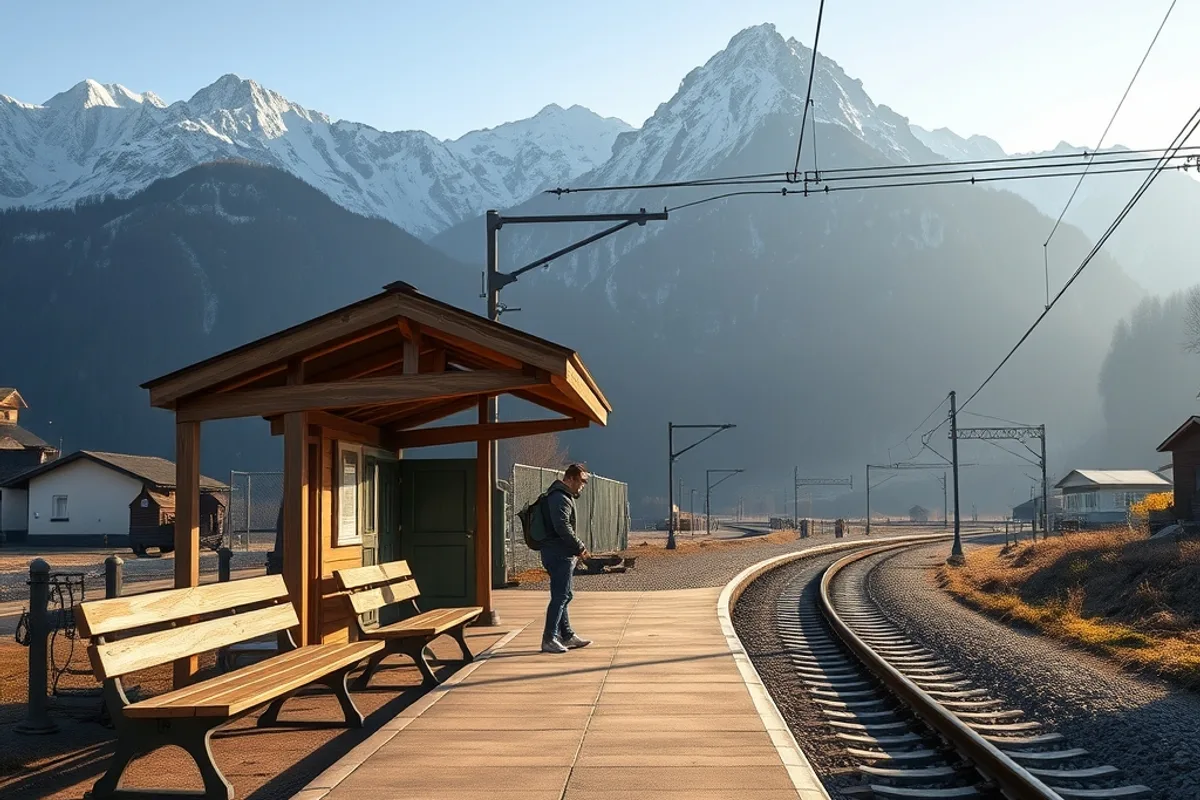
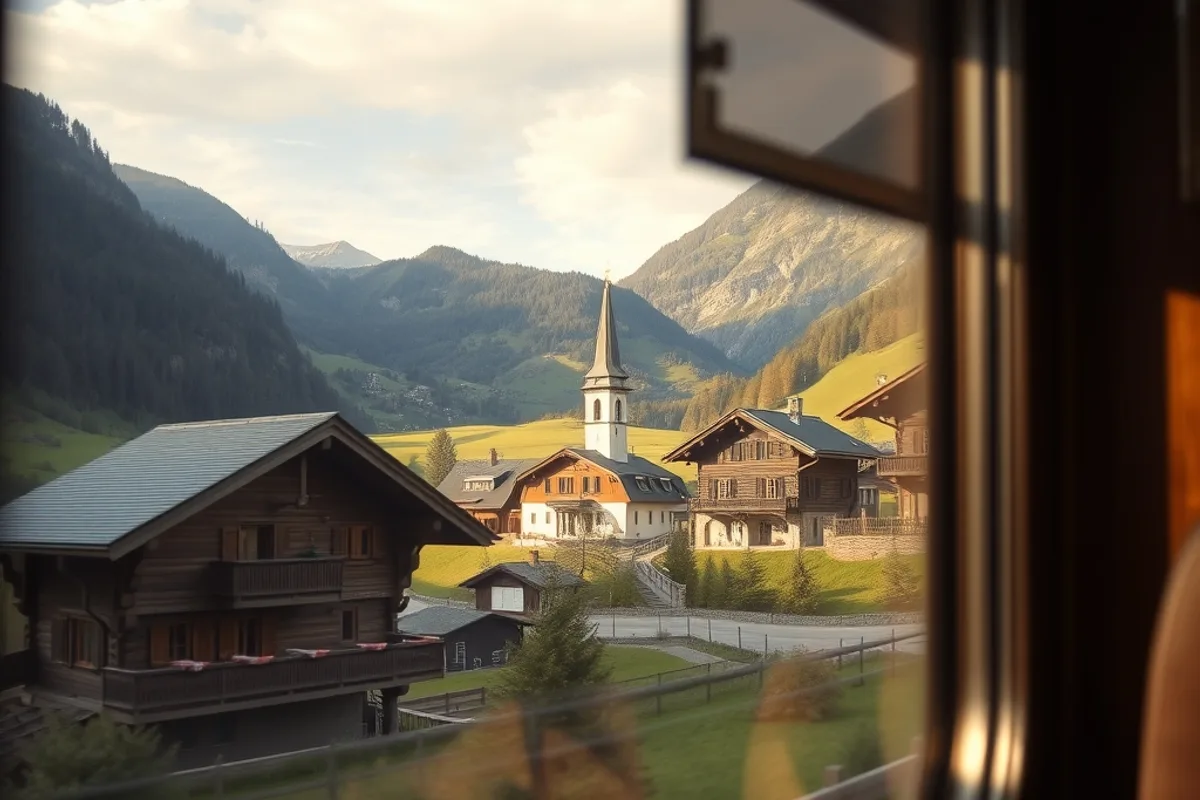
The result is a route that feels less like transport and more like a sequence of rooms. Each valley has its own dialect of architecture: wooden balconies in one, stone roofs in another, painted shutters in a third. The train is slow enough to notice.
Why the small towns matter
The appeal of stopping is not only scenic. Small Alpine towns have been quietly reinventing themselves around the things that make year-round life possible: local food production, remote work, outdoor sport, and a cultural calendar that does not depend on snow. Several have converted former hotels into shared workspaces and long-stay apartments. Others have invested in trails and signage that work in every season.
For the traveller, this means that a stop does not have to be justified by a landmark. You can get off because the town has a good market, a small museum, a swimming lake, or a path that leads to a viewpoint. The pleasure is in the ordinary competence of a place that is not trying to impress you.
It also spreads the benefit. The famous resorts have long had more visitors than they can comfortably absorb. The villages in between have the opposite problem: beautiful infrastructure, few guests, and young people leaving for cities. A reliable train connection is one of the few interventions that helps both ends of that imbalance.
The practical case for slow travel
There is a version of this argument that is purely romantic, and it is not very useful. The practical case is stronger. Regional trains are cheap. They arrive in the centre of town. They do not require a rental car, a parking space or a transfer bus. They run in weather that closes mountain roads. And because they are used by residents, they are accountable to someone other than tourists.
The trade-offs are real. Journeys take longer. Some connections are infrequent, and a missed train can cost you three hours. Bicycles need to be booked. Luggage space is limited. None of this is insurmountable, but it does require a different kind of planning: you plan the day around the timetable rather than the timetable around the day.
How to plan a crossing
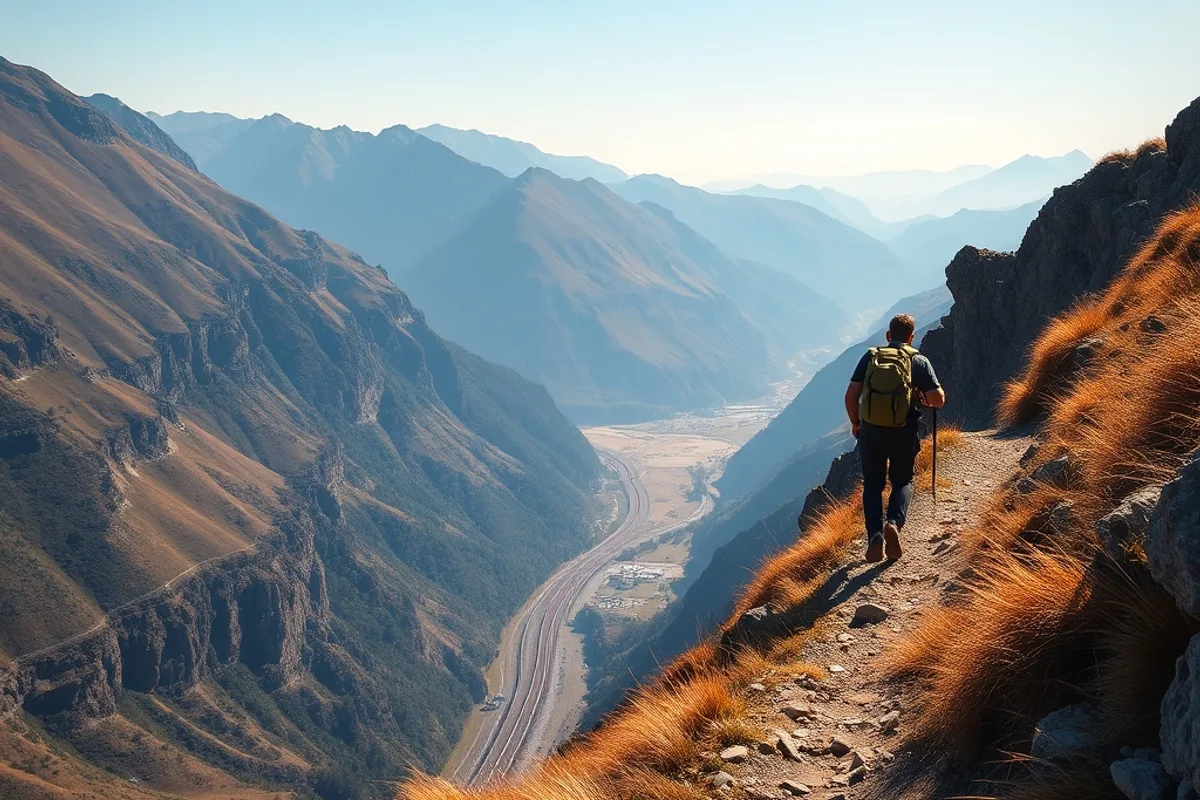
Start with the valleys you want to see, not with the fastest route between two cities. Build the itinerary around one or two base towns and take day trips from there. Check the winter timetable separately from the summer one; they can differ substantially. Book the long legs in advance if you are travelling in a group, and keep a flexible ticket for the short ones.
Allow for weather. A pass that is clear in the morning can be closed by afternoon, and the train is often the only thing still moving. Carry food and water, because station buffets keep idiosyncratic hours. And talk to the person at the ticket desk: in a small station, they are usually the most useful source of information you will find.
The view from the last carriage
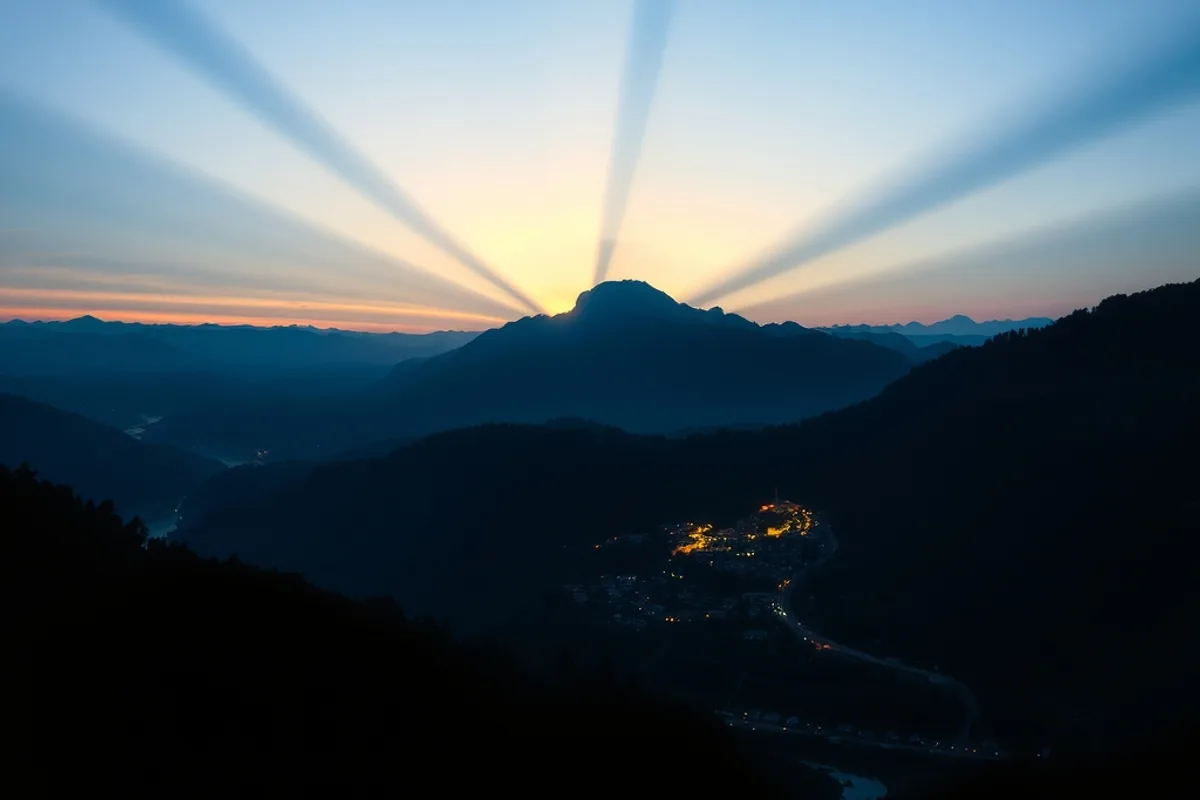
By late afternoon the train has left the high valley and is running beside a river the colour of slate. The sun has moved behind the ridge, and the windows have become mirrors. In the reflection, the carriage looks almost empty; outside, the villages are lighting up one by one.
There is no announcement to tell you that this is the good part. The train simply continues, stopping where people need it, which is the whole idea.