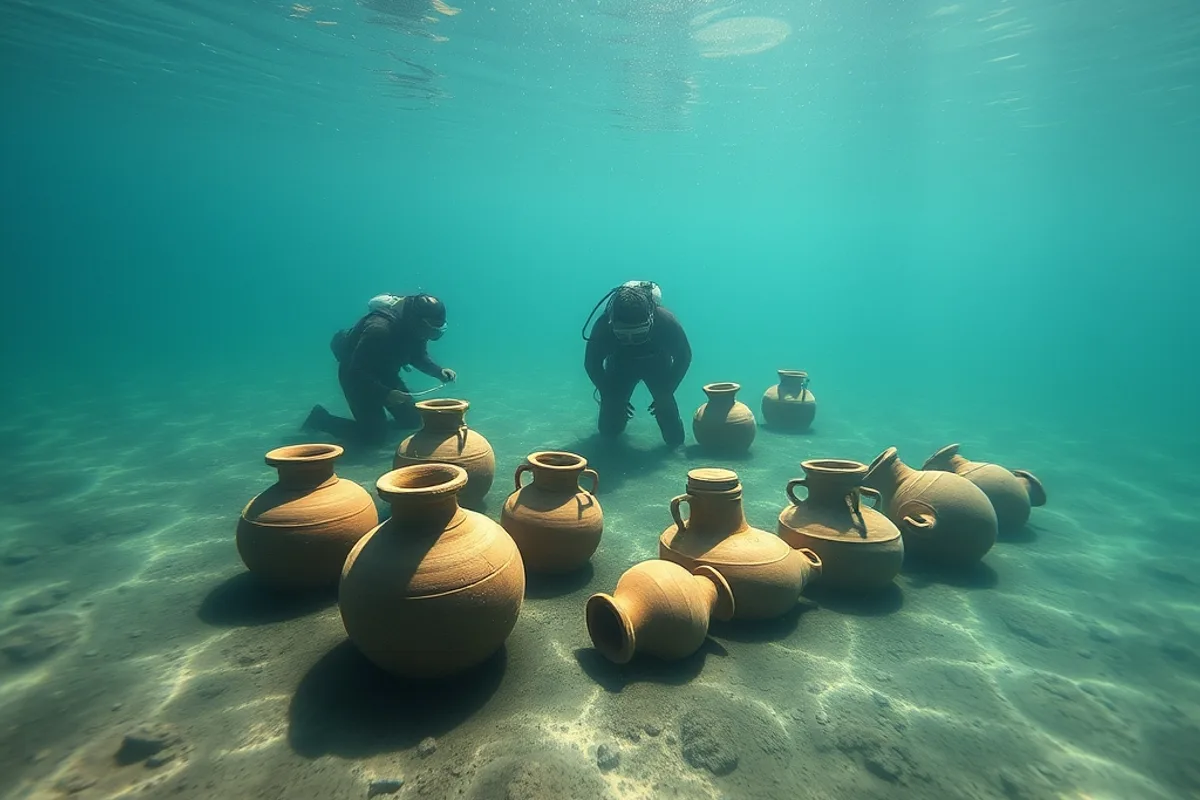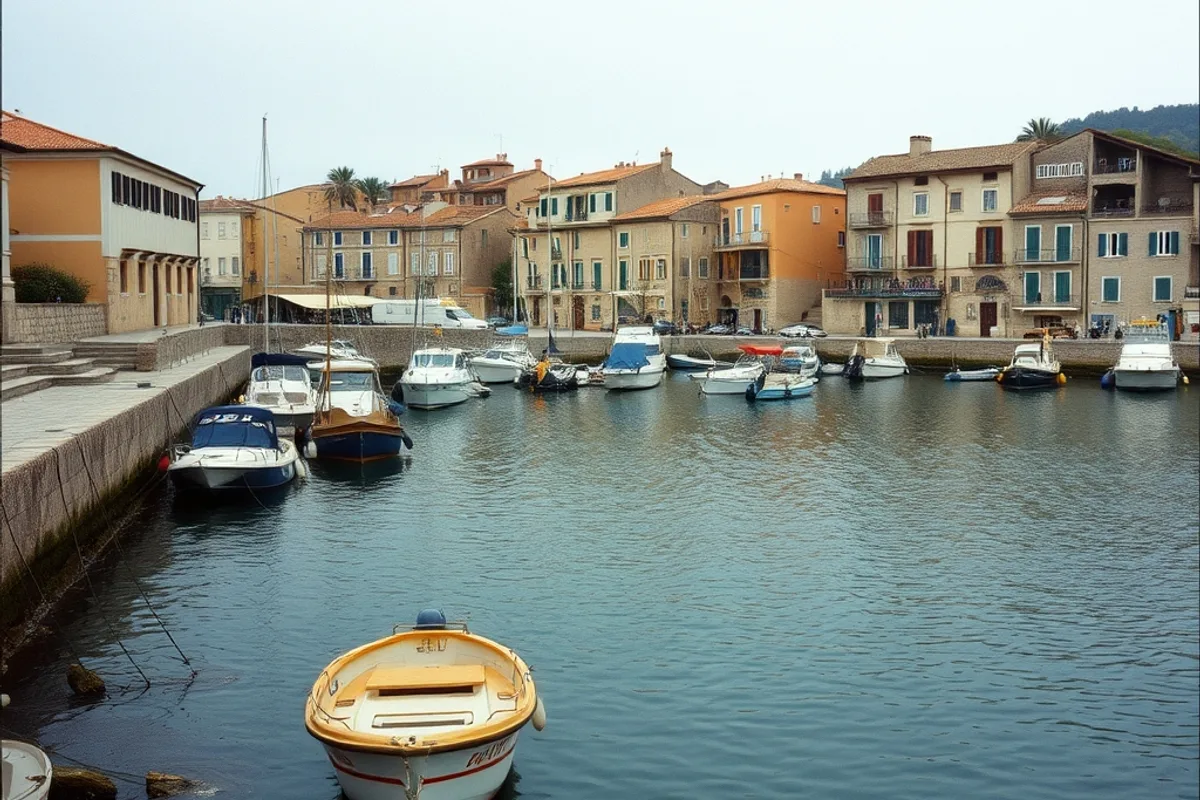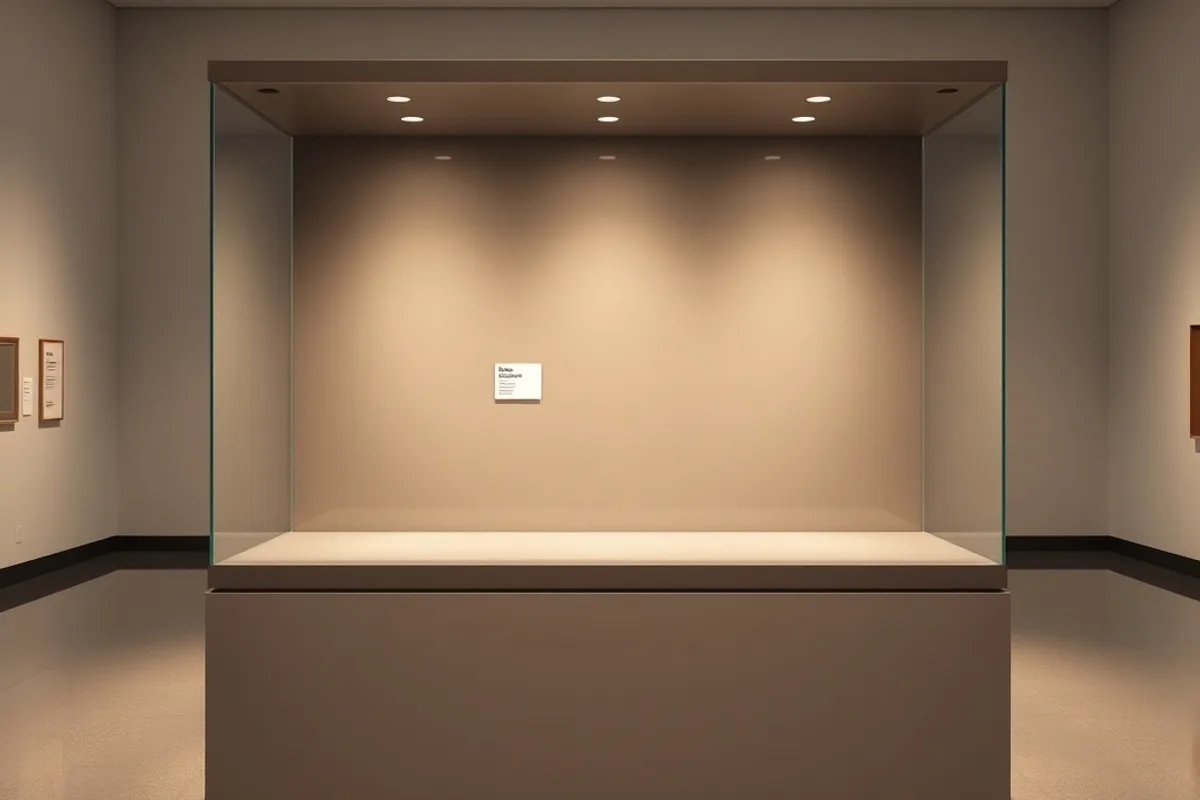
The gallery is almost empty on a Tuesday morning. A woman stands in front of an empty case, reading the label. It explains that the objects which used to be here were returned to the community that made them, and that they are now on display in a small museum four thousand kilometres away. The case has not been filled with something else. It is part of the exhibition now.
Repatriation is usually reported as a conflict: museums versus source communities, law versus ethics, possession versus justice. That framing is real, but it is not the whole story. In a growing number of institutions, returning objects has become a way of rethinking what a collection is for.
The case that changed the argument
For decades, the standard defence of encyclopaedic museums was universal access: these objects belong to everyone, and a museum in a major city can show them to more people than a local institution could. The argument was sincere, and it was also convenient.
What changed was evidence. Researchers began to trace individual objects back to specific places and specific events, often documenting how they left during colonial administration, military expeditions or unequal treaties. Once the provenance was clear, the universal-access argument became harder to sustain, because it described a benefit that was being provided at someone else's expense.
At the same time, source communities began to build their own museums, archives and cultural centres. The old assumption that returning an object meant consigning it to a basement was no longer accurate.
What return actually involves
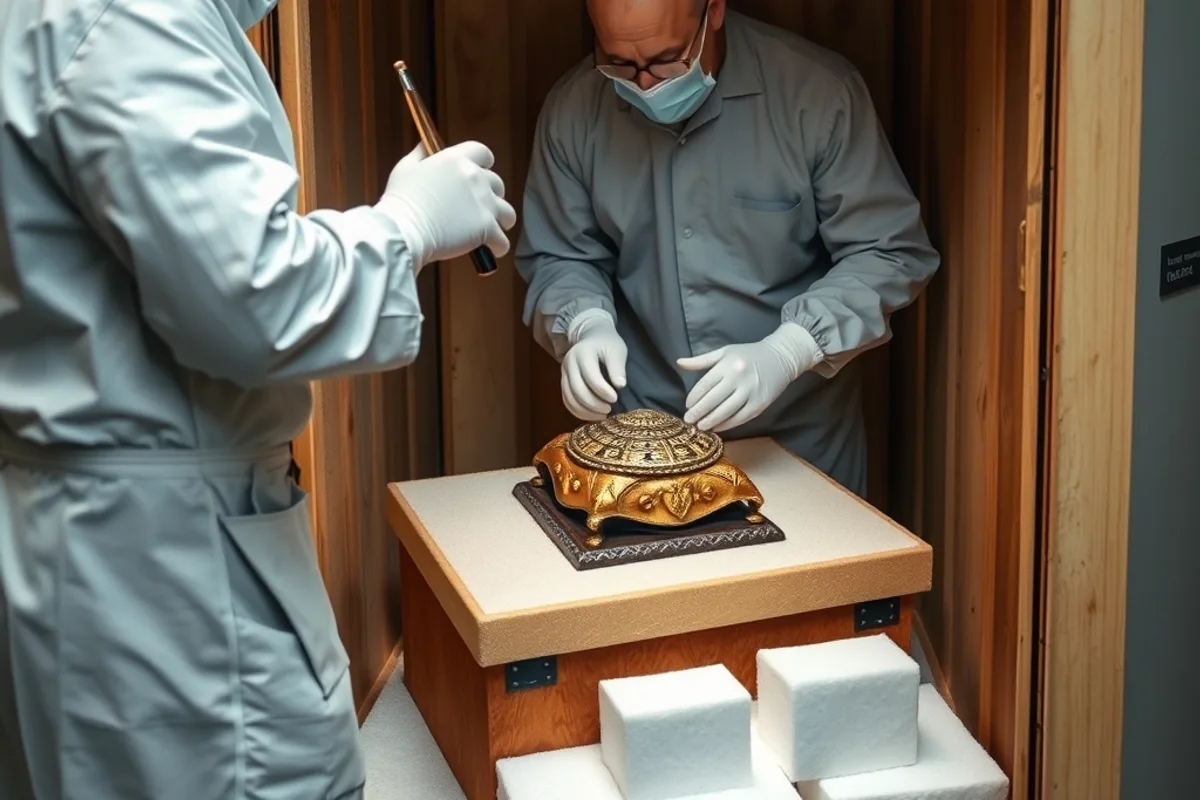
Repatriation is rarely a single act. It involves negotiation, legal agreements, conservation work, transport, insurance and, often, a long-term loan arrangement in which some objects travel back and forth. It also involves money, which is why smaller institutions sometimes hesitate even when they accept the principle.
The practical questions are genuine. Who owns an object that was collected before modern borders existed? What happens when a community has no suitable building? How do you protect a returned object from theft or environmental damage? These questions are often used as reasons to delay, but they are also questions that can be answered with resources and goodwill.
What return is not, in most cases, is a loss. Museums that have returned objects report that the process deepened their relationship with source communities, generated new research, and produced exhibitions that were richer for having multiple voices in the room.
The empty case as an exhibit
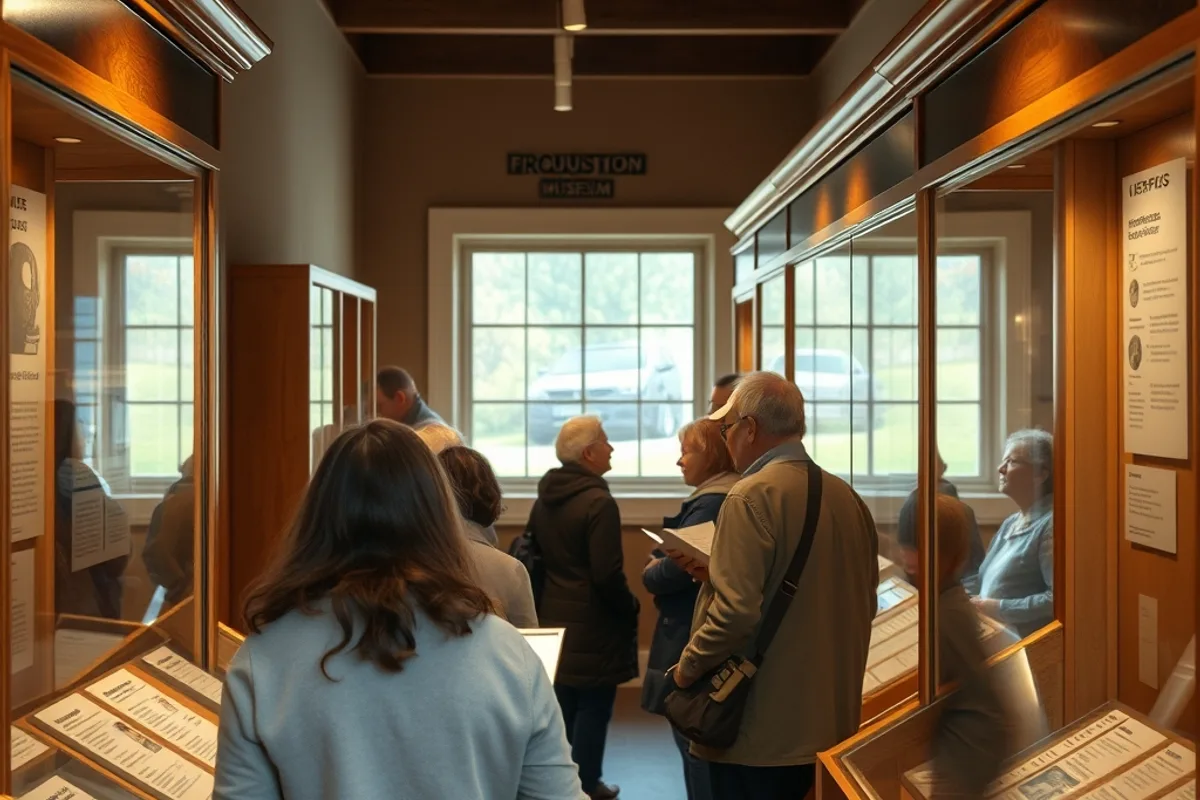
That is what the empty case is doing. It is not a gap. It is an argument made visible: this object had a history before it arrived here, and that history matters. Visitors who might otherwise walk past a display of ceremonial objects now stop and read.
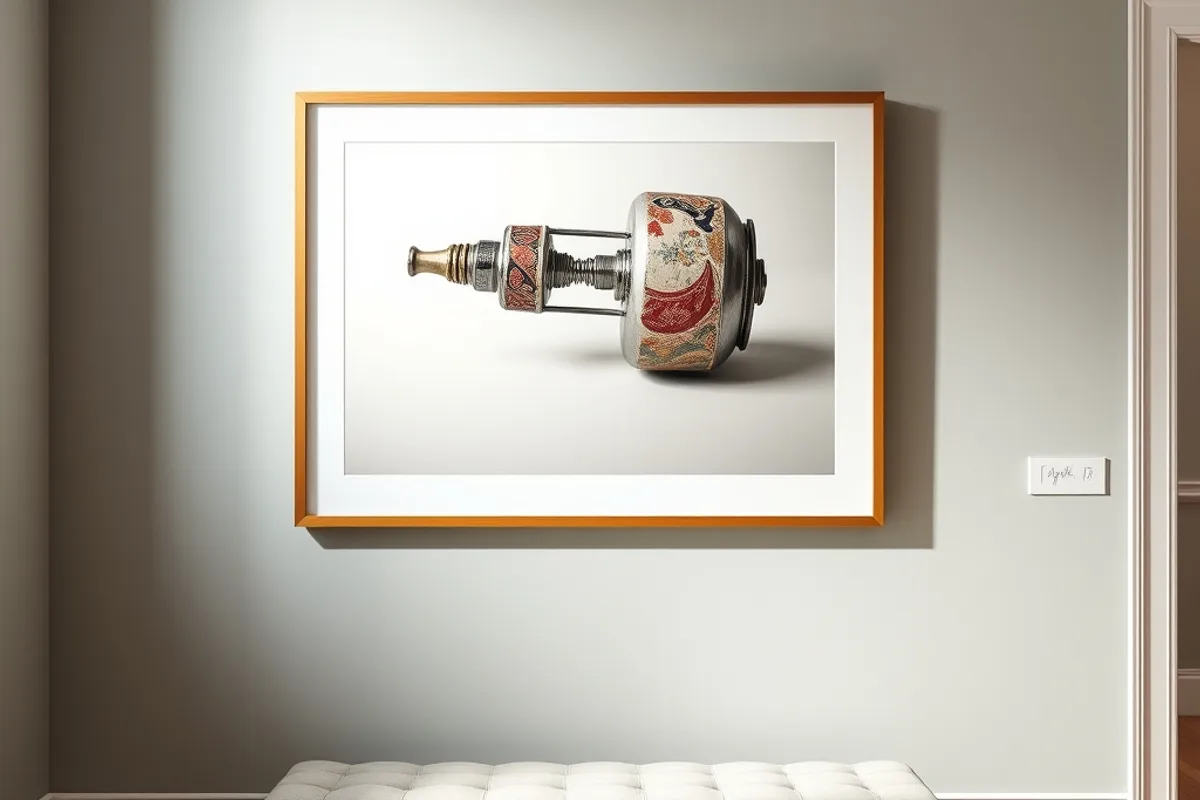
Some institutions go further, displaying a photograph of the object in its new home, or a recording of the community explaining what it means to them. The effect is to turn the museum from a place that holds things into a place that explains relationships.
The harder question
If return is good, how far should it go? Every encyclopaedic collection contains objects whose provenance is uncertain. Not all of them can be returned, and not all source communities want them back. There is a legitimate debate about where the line should be drawn.
The most useful contribution museums can make is transparency. Publish the provenance. Explain the gaps. Say what you do not know. Allow communities to make claims without requiring them to prove their case to a standard that the museum itself could not meet.
That is slower than a dramatic restitution, but it is more durable. It turns the collection into a record of how it was assembled, rather than a monument that pretends it appeared fully formed.
What a collection is for
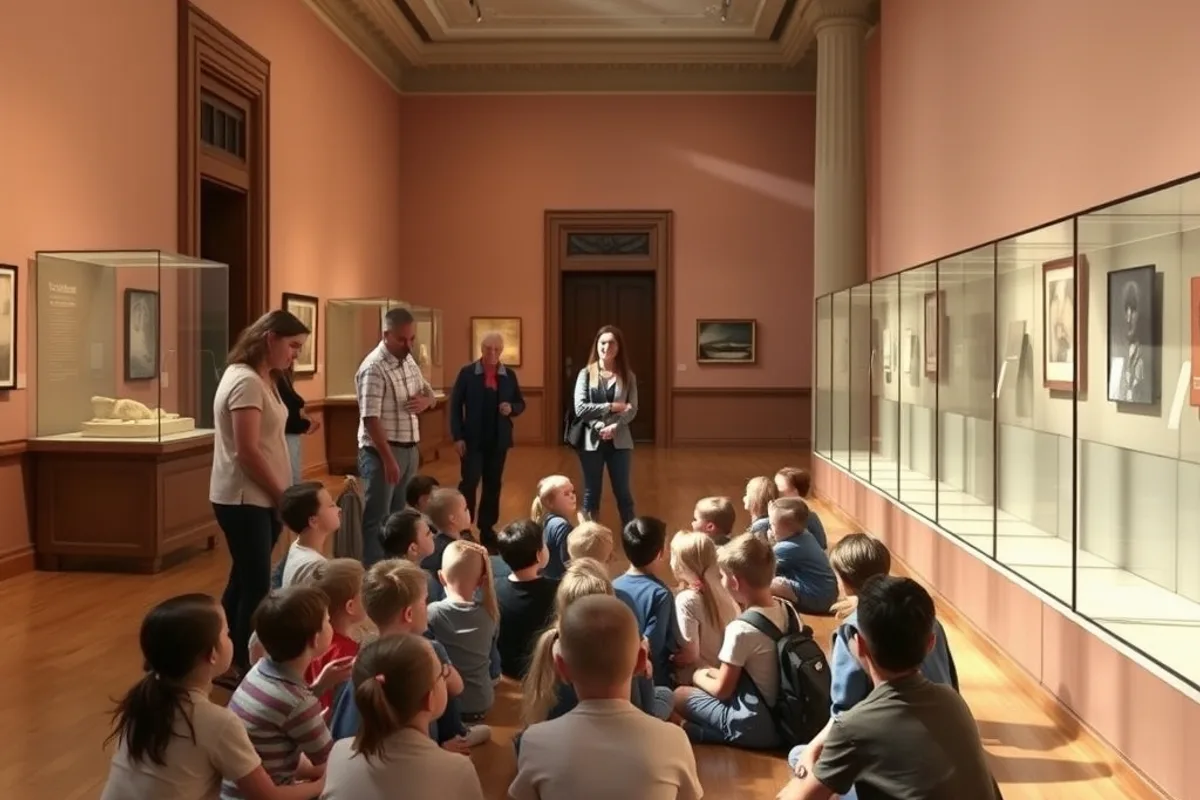
The woman at the empty case eventually moves on, but she takes a photograph of the label. Outside, the city is loud and ordinary. In the next room, a school group is being told that the objects in front of them were made by people who had names, languages and histories that the museum is still learning to describe.
A collection, in the end, is not a pile of things. It is a set of obligations. The museum that gives objects back is not emptying itself out. It is finally deciding what it is responsible for.