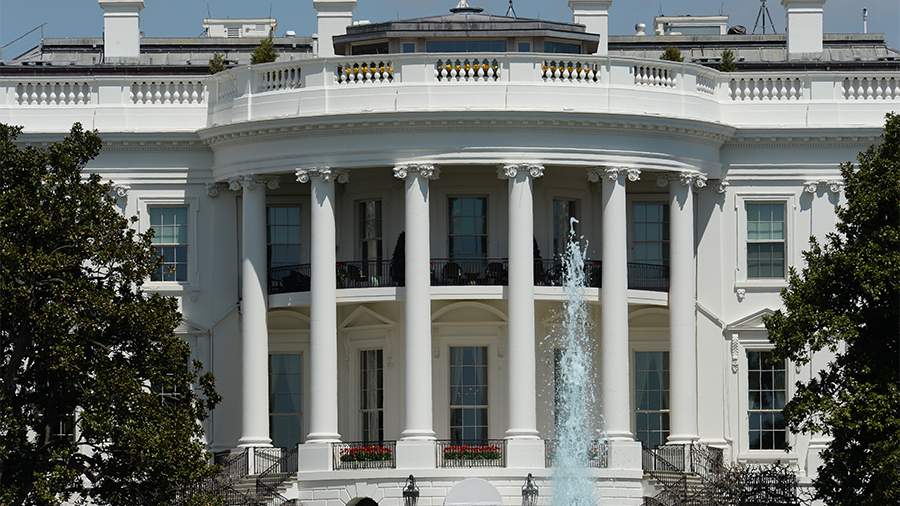
World in Flux: Unraveling the Threads of Tomorrow’s Headlines
In an era where change is the only constant, the world stands on the precipice of transformation. From technological revolutions to geopolitical shifts, the threads of tomorrow’s headlines are already being woven today. Understanding these emerging patterns is not just an academic exercise—it’s a necessity for navigating the uncertainties of the future. This article explores the key forces shaping our world, the challenges they present, and the opportunities they unlock for those who dare to look ahead.
The Accelerating Pace of Technological Change
Technology has always been a catalyst for societal evolution, but the speed of innovation in the 21st century is unprecedented. Artificial intelligence (AI), quantum computing, and biotechnology are no longer confined to the realm of science fiction—they are rapidly becoming integral to our daily lives. AI, in particular, is transforming industries by automating tasks, enhancing decision-making, and even creating new forms of art and literature. However, this progress is not without its ethical dilemmas, from job displacement to concerns about AI’s role in decision-making processes.
The rise of quantum computing promises to revolutionize fields like cryptography, material science, and drug discovery. While still in its infancy, quantum technology could solve problems that are currently intractable for classical computers. Meanwhile, advancements in biotechnology, such as CRISPR gene editing, are pushing the boundaries of what is medically possible, offering hope for curing genetic disorders but also raising ethical questions about human enhancement and the potential for misuse.
Geopolitical Shifts and the Reconfiguration of Power
The global power structure is undergoing a seismic shift, with traditional alliances being tested and new players emerging on the world stage. The rise of China as an economic and military powerhouse challenges the long-standing dominance of the United States and Europe. The balance of power in Asia, Africa, and Latin America is also evolving, as countries seek to assert their sovereignty and carve out new economic partnerships.
This realignment is not limited to state actors. Non-state entities, including multinational corporations, terrorist organizations, and digital platforms, are increasingly influencing global affairs. The proliferation of cyber warfare and misinformation campaigns adds another layer of complexity to international relations. As nations grapple with these challenges, the concept of sovereignty is being redefined, and the traditional frameworks of diplomacy and conflict resolution are being called into question.
The Climate Crisis and the Urgency of Sustainable Solutions
Few issues loom as large as the climate crisis, which is reshaping economies, migration patterns, and geopolitical priorities. Extreme weather events, rising sea levels, and biodiversity loss are no longer distant threats—they are already affecting millions of people around the world. The urgency to transition to renewable energy sources, decarbonize industries, and adapt to a changing climate has never been greater.
Governments, businesses, and individuals are increasingly recognizing the need for collective action. Initiatives like the Paris Agreement and the United Nations Sustainable Development Goals (SDGs) provide frameworks for addressing climate change, but their success depends on unprecedented levels of cooperation and innovation. The green technology sector is booming, with investments in solar, wind, and electric vehicles growing rapidly. However, the transition is uneven, and the economic and social costs of inaction remain staggering.
The Social and Cultural Impact of Globalization
Globalization has connected the world in ways that were unimaginable just a few decades ago. While it has lifted millions out of poverty and fostered cultural exchange, it has also exacerbated inequalities and fueled backlashes against open borders and multiculturalism. The rise of populism and nationalism in many parts of the world reflects a growing discontent with the perceived homogenizing effects of globalization.
Social media and digital platforms have amplified these dynamics, creating echo chambers where misinformation and extremist ideologies can thrive. At the same time, these platforms have given marginalized communities a voice and enabled new forms of activism, from the #MeToo movement to global climate strikes. The challenge for societies is to harness the benefits of globalization while mitigating its unintended consequences, fostering inclusivity and resilience in the face of rapid change.
Economic Disruptions and the Future of Work
The global economy is in a state of flux, driven by technological disruption, shifting consumer behaviors, and the aftershocks of the COVID-19 pandemic. Supply chain vulnerabilities exposed by the pandemic have prompted companies to rethink their sourcing strategies, while automation and AI are transforming the nature of work itself. Jobs that once seemed secure are now at risk of being automated, creating both opportunities for innovation and the need for reskilling the workforce.
The gig economy and remote work have redefined traditional employment structures, offering flexibility but also raising concerns about job security and worker rights. Meanwhile, the rise of cryptocurrencies and decentralized finance (DeFi) is challenging the dominance of central banks and traditional financial institutions. As the economic landscape evolves, policymakers and businesses must grapple with questions about equity, sustainability, and the role of government in regulating emerging technologies.
Preparing for the Unpredictable: Strategies for a Changing World
In a world where the only certainty is uncertainty, adaptability is the key to resilience. For individuals, this means embracing lifelong learning and staying informed about emerging trends. For businesses, it means fostering a culture of innovation and agility, while for governments, it means investing in infrastructure, education, and social safety nets to cushion the impact of inevitable disruptions.
Collaboration across sectors and borders will be critical in addressing the challenges of tomorrow. Public-private partnerships can drive technological breakthroughs, while international cooperation is essential for tackling global issues like climate change and pandemics. At the same time, ethical considerations must guide the development and deployment of new technologies, ensuring that progress benefits all of humanity rather than a privileged few.
Conclusion: The Threads of Tomorrow’s Headlines
The world is in a state of flux, and the headlines of tomorrow will be shaped by the choices we make today. Whether it’s harnessing the power of AI, navigating geopolitical rivalries, or confronting the climate crisis, the decisions we face are complex and far-reaching. Yet, within this uncertainty lies the potential for profound progress. By understanding the forces at play and committing to collective action, we can unravel the threads of tomorrow’s headlines and weave a future that is sustainable, equitable, and resilient for generations to come.
About the Author