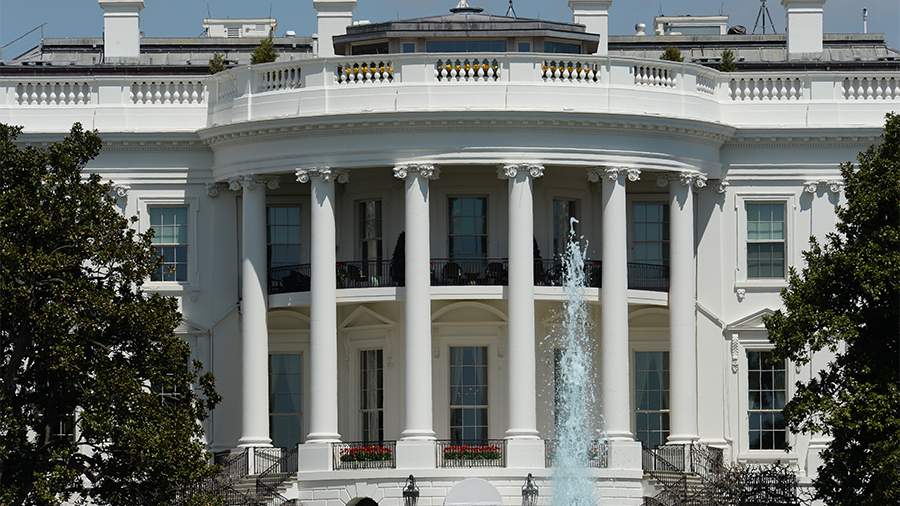
Government Gavel: Latest Policy Shifts You Can’t Afford to Ignore
In an era where policy changes can reshape industries overnight, staying informed about the latest government decisions is no longer optional—it’s essential. Whether you’re a business owner, investor, or everyday citizen, understanding recent shifts in legislation can help you navigate challenges and seize new opportunities. From tax reforms to environmental mandates, these changes are designed to influence everything from economic growth to personal freedoms. But what exactly are the most impactful shifts happening right now? And how can you prepare for—or even benefit from—them?
This article breaks down the latest government policy changes that demand your attention. We’ll explore key areas like economic regulations, social policies, and technological oversight, providing clear insights into what’s changing and why it matters to you. By the end, you’ll have a roadmap for adapting to these shifts, whether you’re looking to protect your finances, grow your business, or simply stay ahead of the curve.
Economic Policies Reshaping Markets
Economic policies are often the most immediate drivers of market behavior, and recent shifts in this space are already sending ripples across industries. Governments worldwide are recalibrating their economic strategies to address inflation, debt crises, and global trade uncertainties. Here are the most critical changes you need to know:
- Tax Reforms and Corporate Responsibility: Many countries are rolling out new tax policies aimed at wealth redistribution and corporate accountability. For instance, minimum corporate tax rates are being standardized globally to prevent tax havens and ensure fairer competition. Businesses operating internationally must reassess their tax structures to comply with these new rules.
- Stimulus and Subsidy Adjustments: After years of pandemic-driven financial support, governments are now phasing out or redirecting stimulus funds. This includes cuts to unemployment benefits in some regions and increased subsidies for green energy projects. The shift is creating opportunities in renewable energy while tightening budgets in traditional sectors.
- Trade Tariffs and Protectionism: Trade policies are becoming increasingly protectionist, with some governments imposing new tariffs on imports to protect domestic industries. This can lead to higher costs for consumers and supply chain disruptions. Companies relying on global trade should diversify their suppliers to mitigate risks.
Social and Labor Policy Overhauls
Beyond economics, governments are also revising social and labor policies to reflect changing societal values and workforce dynamics. These changes can impact hiring practices, employee rights, and even consumer behavior. Here’s what’s shifting:
- Remote Work and Digital Nomad Visas: The pandemic normalized remote work, and many governments are now formalizing this trend by introducing digital nomad visas. Countries like Portugal and Estonia are attracting remote workers with favorable tax policies and residency options. For freelancers and tech professionals, this could mean new opportunities to live and work abroad.
- Minimum Wage Increases: Several nations are raising minimum wages in response to rising living costs. While this boosts purchasing power for low-income workers, it also increases operational costs for small businesses. Employers must factor these changes into their budgeting and consider automation or efficiency improvements to offset expenses.
- Mandatory ESG Reporting: Environmental, Social, and Governance (ESG) criteria are becoming mandatory for publicly traded companies in many jurisdictions. Businesses must now disclose their environmental impact, diversity metrics, and ethical practices. Failure to comply can result in fines or reputational damage. Companies should start integrating ESG reporting into their operations to stay compliant.
Environmental Regulations and Green Initiatives
Climate change and sustainability are no longer buzzwords—they’re central to government agendas. New environmental regulations are being rolled out to curb emissions, promote renewable energy, and hold industries accountable for their ecological footprint. These policies are not just about compliance; they’re about future-proofing businesses and economies. Here’s what’s changing:
- Carbon Pricing and Emission Caps: Governments are implementing stricter carbon pricing mechanisms, such as carbon taxes or cap-and-trade systems. Industries like manufacturing, transportation, and energy production are particularly affected. Companies in these sectors must invest in cleaner technologies or purchase carbon credits to avoid penalties.
- Ban on Single-Use Plastics: The global movement to eliminate single-use plastics is gaining momentum. Several countries have banned or restricted plastic bags, straws, and packaging. Businesses in retail, food service, and logistics need to switch to sustainable alternatives or face fines. This shift is also creating demand for eco-friendly materials and packaging innovations.
- Subsidies for Green Tech: To accelerate the transition to a low-carbon economy, governments are offering subsidies and tax incentives for green technologies like electric vehicles (EVs), solar panels, and energy-efficient appliances. Consumers and businesses can benefit from these incentives by upgrading to sustainable options. For example, purchasing an EV may now come with significant tax rebates in many regions.
Technological Oversight and Digital Rights
As technology continues to evolve at a breakneck pace, governments are stepping up their efforts to regulate digital spaces. From data privacy to artificial intelligence (AI), new laws are being enacted to protect citizens and ensure fair competition. These policies can have far-reaching consequences for tech companies, advertisers, and even individual internet users. Here’s what’s on the horizon:
- Stricter Data Privacy Laws: Regulations like the EU’s General Data Protection Regulation (GDPR) and the California Consumer Privacy Act (CCPA) are setting the standard for data privacy worldwide. Companies that collect user data must now obtain explicit consent, implement robust security measures, and allow users to access or delete their data. Non-compliance can result in hefty fines, making data protection a top priority for businesses.
- AI Regulation and Ethical Guidelines: Governments are drafting laws to govern the use of AI, particularly in areas like hiring, lending, and surveillance. The EU’s proposed AI Act, for example, classifies AI systems by risk level and imposes strict requirements on high-risk applications. Tech companies must ensure their AI tools are transparent, unbiased, and compliant with these new rules.
- Crypto and Digital Asset Oversight: The cryptocurrency market is no longer the wild west it once was. Governments are introducing regulations to combat fraud, money laundering, and market manipulation. New licensing requirements for crypto exchanges and stricter Know Your Customer (KYC) protocols are becoming the norm. Investors and businesses in the crypto space must adapt to this evolving regulatory landscape to avoid legal troubles.
How to Stay Ahead of Policy Shifts
Navigating government policy changes can feel overwhelming, but with the right strategies, you can turn these shifts into advantages. Here’s how to stay ahead:
- Monitor Official Channels: Subscribe to government newsletters, follow regulatory bodies on social media, and set up Google Alerts for key policy terms related to your industry. Official websites and press releases are reliable sources for the latest updates.
- Consult Experts: Legal and financial advisors specializing in regulatory compliance can provide tailored advice for your situation. They can help you interpret complex laws and identify opportunities within new policies.
- Join Industry Associations: Professional organizations often lobby for member interests and provide resources on upcoming regulations. Being part of these groups gives you early access to policy insights and advocacy efforts.
- Adapt Your Business Model: If a new policy threatens your operations, consider pivoting to alternative revenue streams or markets. For example, if tariffs increase the cost of imports, explore local manufacturing or partnerships with domestic suppliers.
- Invest in Compliance Technology: Software solutions for tax compliance, data privacy, and ESG reporting can automate much of the legwork. Investing in these tools upfront saves time and reduces the risk of non-compliance penalties.
The Bottom Line: Why These Shifts Matter
Government policies are not static—they evolve in response to economic, social, and technological changes. The shifts we’re seeing today are not just bureaucratic adjustments; they’re transformative forces that will shape the next decade. For businesses, these changes present both challenges and opportunities. Companies that proactively adapt to new regulations will gain a competitive edge, while those that ignore them risk falling behind—or worse, facing legal and financial consequences.
For individuals, understanding these policies can help you make informed decisions about your career, investments, and lifestyle. Whether it’s leveraging new tax incentives, choosing eco-friendly products, or ensuring your digital privacy, these shifts directly impact your daily life. The key is to stay informed, remain agile, and take action before the changes catch you off guard.
As we move forward, the interplay between government action and public response will continue to define our economic and social landscapes. By keeping a close eye on policy shifts and preparing for their implications, you can position yourself not just to survive—but to thrive—in this rapidly changing world.
About the Author